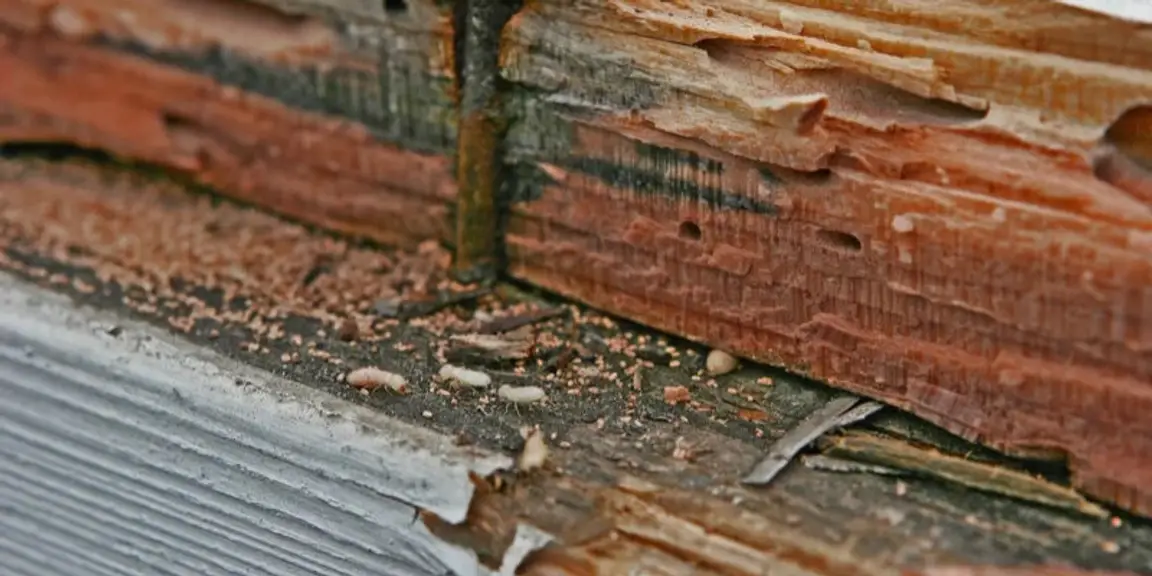

Pull the hatch on a crawl space in Greensboro, and you might find mud tubes climbing a brick pier. Scary sight, though it doesn’t kill the sale. State agriculture officials say most North Carolina houses older than 10 to 15 years show some evidence of wood-destroying insects. A spotless report was never the realistic goal for anyone buying an older home here.
Subterranean termites live in every county we buy houses in. What you do next matters far more than what’s sitting in that crawl space right now.
What Should You Expect From a Termite Inspection and Repair Estimate?
Guess at the damage, and you’ll negotiate against yourself for months. Buyers assume the worst when a seller can’t answer a direct question about a sill plate. That assumption costs real money at the closing table.
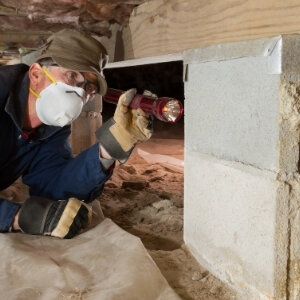
An official termite inspection isn’t a home inspection. Whoever signs has to be licensed by the Structural Pest Control Division at the state Department of Agriculture or work for a licensed company, and the form they sign is the WDIR-100. It’s the only legal form for a sale here. I’ve had buyers mix up the two reports more than once. The homeowner’s guide from NCDA&CS spells out the scope: a visual check of accessible areas, plus conditions around the foundation that invite subterranean termites.
One detail sellers miss is that the WDIR-100 isn’t a structural damage report. It flags insects and their evidence, while pricing the wood is somebody else’s job. Under 02 NCAC 34.0602, the rule is blunt. A licensee who finds live subterranean termites, or evidence of a past infestation with no sign that the structure was ever treated, has to treat the property first. Only then can it issue a report stating the house is free of them or that the infestation is inactive.
I’ve watched sellers get burned at that gap while buying houses here. A pest control operator prices chemicals and bait stations. A carpenter or engineer prices wood. Two different estimates, and one lump sum from a single vendor, usually hide something. Ask the inspector what the termite evidence actually looked like, then ask a builder what the wood costs. When the damage reaches the piers or sill plate, our guide on how to sell a house with foundation issues in North Carolina covers that side of it.
Nationally, termite damage repair averages about $3,000, with most homeowners landing anywhere from $1,000 to $10,000 depending on how far the colony had spread. Treatment is a separate line item, and it’s the smaller of the two in nearly every house I’ve walked.
A couple of years back, I walked into a ranch house in Kernersville with two adult children whose mother had just moved into assisted living. Saturday morning, the garage was packed with her late husband’s fishing gear. We found old tubing on the floor joists under the back bedroom. The damage came in at a fraction of what they’d braced for, which matches what I keep finding under these old houses.
Do You Have to Disclose Termite History to Buyers in North Carolina?
One seller checks “No Representation” and hopes nobody asks. Another staples a paid treatment receipt and a transferable warranty to the disclosure form and gets the full asking price.
Sellers hand the Residential Property and Owners’ Association Disclosure Statement to buyers under North Carolina’s Residential Property Disclosure Act. Question 21 is the one that matters here. It asks whether there’s a present infestation or damage from a past infestation of wood-destroying insects that hasn’t been repaired. Nolo’s summary of the act puts the purpose plainly: buyers shouldn’t find out about an infestation after they’ve already paid. I’ve watched that discovery sour a closing fast.
You answer Yes, No, or No Representation. The state uses a known-defects standard, so you aren’t required to go hunting for problems you’ve never noticed. Lying about one you do know is a different animal, and it follows you past closing.
Timing counts. Your disclosure goes to the buyer no later than the moment the offer is made. Deliver it late, and the buyer gets a three-day calendar window to cancel and take the deposit back.
Selling as-is doesn’t exempt you. Foreclosure sales and transfers to a spouse or someone in your direct line of descent sit among the statutory exemptions, but a normal owner-occupied sale doesn’t. Would you rather disclose a treated infestation now or defend an answer two years from now? Attaching the pest control contract turns a scary checkbox into proof you handled it.
Can You Sell a House with Termite Damage or Past Termite Problems in North Carolina?

“Nobody’s going to touch this, right?” I hear that one weekly.
You can sell. Every house with termite damage in this state sells to somebody, and the only real question is which pool of buyers you’re fishing in. Financed buyers bring lender rules with them, and VA requires a wood-destroying insect report here because North Carolina is in a moderate-to-high risk zone. FHA appraisers call for one when they spot mud tubes, discarded wings, or damaged wood near the foundation, and that loan won’t close until an active infestation is handled. Appraisers flag more than bugs, and our breakdown of mandatory home appraisal repairs in North Carolina shows what else holds up those loans.
Cash buyers skip the whole chain. No lender, no appraisal condition, no underwriter staring at a WDIR. That’s why investors like us can close on one of these houses in two weeks while a retail sale stalls out. The process looks the same in a big metro as it does with our cash house buyers in Asheboro, NC.
Conventional financing sits in between, mostly at the lender’s discretion. A strong borrower often closes with disclosed, repaired damage, though their lawyer and their inspector will want the paperwork. Attorneys handle closings in North Carolina, and a good real estate attorney flags a missing treatment record long before anyone drafts a settlement statement.
Listing still makes sense sometimes. Cosmetic work, treatment done, warranty in hand: put it on the open market and let the paperwork talk. When carpentry reaches structural members, selling to a local cash buyer like Turner Home Team usually nets more than listing a house that fails inspection twice and sits there collecting days on market.
How Do You Price and Market a House with Termite History?
Every week a listing sits adds to its days on market, and that stale count is what sinks sellers who price as though nothing’s wrong. North Carolina listings sat on the market for a median of 69 days in September 2026, up from 66 in August. Houses with a disclosed pest issue tend to run above the median, not below it.
Compare that with Raleigh, where the median sale price was $415,000 over the three months ending September 2026, down 4.6% year over year, with listings sitting 44 days. Charlotte ran 58 days across that same stretch, which is one reason sellers there often call a company that buys houses in Charlotte, NC, instead of waiting. Softer markets permit buyers to haggle, and termite history is the easiest thing in the world to haggle over.
My opinion, plainly: discount once, up front, by roughly the repair estimate plus a cushion. Don’t list high and see what happens. Price the house as though the market will forgive a history of termites, and it won’t. Buyers smell the second price drop and start subtracting twice.
Marketing matters as much as the number. Combine the WDIR, the treatment agreement, and the warranty into a single PDF that your realtor can email and hand out at showings. Photograph the repaired framing, because transparency closes sales. A nervous buyer who googles your address and finds nothing from you closes nothing.
How to Sell a House with Termites in North Carolina

Four documents do most of the work: the WDIR-100, your signed disclosure statement, the pest control contract with its warranty, and any carpentry invoice. Gather them before you talk to a single buyer.
Then pick your road. Repairing and listing suits cosmetic damage in a strong neighborhood, Dilworth, say, or Oakwood, where demand absorbs a disclosed issue. Selling as-is for cash suits inherited property, out-of-state owners, and anyone staring at structural work they can’t finance. Plenty of North Carolina properties land in that second group. If your house sits near Oakwood, we can help you sell your Raleigh house fast with the termite report still in the folder.
Get a second opinion before you accept any repair offer. Pest companies sometimes price wood repair at retail carpentry rates, and a framing contractor may come in at a lower rate.
A seller in Gastonia showed me a proposal to rebuild a termite-eaten kitchen floor and cabinet run. The number ran past what that kitchen would ever add to the house. She’d been sitting on it for eight months, too discouraged to call anybody back. We bought the house as-is and did the work ourselves, which was always the cheaper path for her.
Frequently Asked Questions
Do You Really Need Termite Protection on a North Carolina Home?
Protection isn’t legally required. Subterranean termites are active across the state, though, and a VA buyer’s lender will want a current report before funding. A transferable bond or treatment plan gives your buyer something concrete at closing. I’d keep one on any house with a crawl space.
What Does a Company Like Terminix Charge for a Termite Inspection?
National brands often inspect free or for a small fee when they’re hoping to sell you a service plan, while the official report used in a real estate sale carries its own charge. Prices move around by region and company size. Call two licensed local operators and compare, since the cheaper one frequently writes the same form.
What Smell Do Termites Hate?
Cedar, clove, and orange oil come up constantly online, and they do bother termites on contact. None of them reach a colony living in the soil under your slab or crawl space, which is where the actual problem sits. Use them if you like the smell. Don’t count them as treatment, and don’t tell a buyer you handled it that way.
Will a Lender Approve a Loan on a House with Termite Damage?
Sometimes, depending on the loan and the severity. FHA and VA underwriters want the damage repaired and the structure to be sound before closing. Conventional lenders set their own rules. If the damage is structural and you’d rather not fund repairs upfront, a cash sale sidesteps the underwriting question entirely.
Termites feel like a verdict when you first read the report. They’re closer to a line item. Buyers in this state have seen that paperwork before. North Carolina houses change hands constantly, with treatment history, active bonds, or repaired framing noted right on the paperwork. They sell at fair numbers because the seller handled the information honestly instead of hiding it.
Holding an inspection report and dreading the repair offers and the showings? We buy houses as-is across North Carolina, damage and all. Contact us with the report, tell us what you know, and we’ll give you a straight number with no obligation. If listing turns out to be your better move, we’ll say so.
Helpful North Carolina Blog Articles
- Can You Sell a House As Is Without Inspection in North Carolina
- Can I Sell My House Below Market Value in North Carolina
- How To Sell a House When You Are Behind on Payments
- Documents Required for Selling Inherited Property
- Do I Need a Lawyer to Add a Name to a House Deed?
- How to Find a Trusted Realtor in Another State
- How Will Medicaid Know if I Sell My House
- Selling a house with solar panels
- Sell my flooded house in North Carolina
- How to Sell a Termite-Damaged House in North Carolina