


A homeowner in Garner called me on a Thursday morning, voice tight, asking one question: “Do I have to get an inspection before I sell?” Three different people had told her three different things. Her roof was shot, her HVAC had been limping along for years, and the last thing she wanted was a home inspector walking through and producing a twelve-page report that would scare off every buyer she had (a very real outcome with aging systems).
No law in North Carolina requires you to order a home inspection before selling. But the longer answer has some texture to it, and understanding that texture is what keeps sellers from leaving money on the table or landing in legal trouble.
What Does Selling a House As-Is in North Carolina Actually Mean?

Sellers sometimes worry that listing “as-is” sends a red flag to every buyer in the MLS and kills their chances of a decent sale. The fear is understandable, but it’s not the whole picture. Selling as-is simply means you’re putting the property on the market in its current condition, without committing to making repairs before closing. Buyers know what to expect. You’re not hiding anything; you’re drawing a clear line.
What it does NOT mean is that you get to skip disclosures. North Carolina law requires sellers to disclose detailed information about the condition of their property, using the state’s Residential Property and Owners’ Association Disclosure Statement. The form covers everything from roof condition to whether the property has experienced flooding. You can sell without fixing a single thing, but you cannot sell without telling buyers what you know. Skipping that form, or lying on it, is where sellers get into real legal trouble, and it’s the kind of trouble that follows you well after closing.
The “as-is” label in the contract is a negotiating signal, not a legal shield. A thorough disclosure protects you from lawsuits after closing; if you disclosed a known defect, a buyer has a hard time suing you for fraud or misrepresentation months later. Fill out that disclosure form completely and honestly. An attorney or a real estate broker familiar with North Carolina real estate laws can walk you through any parts that feel unclear.
Why North Carolina Homeowners Sell As-is Instead of Making Repairs
The disclosure form, though, reveals something interesting. Once you put every known issue in writing, many sellers realize the repair list is longer than they thought, and the math stops working.
The Beckett family contacted me back in March about a property in Wendell, a small town just east of Raleigh in Wake County. They were three months behind on the mortgage, and the auction date was already set. The house had a cracked foundation wall in the corner of the garage and a water heater that had been replaced with the wrong unit by a previous handyman. There was no time for contractors, no budget for repairs, and no appetite for a drawn-out traditional listing. We closed in under three weeks, and they avoided foreclosure, which, in my experience, is the outcome that matters far more than squeezing out an extra few thousand in price. Selling as-is actually looks like a typical home from the inside.
Beyond urgent situations like theirs, plenty of homeowners sell as-is simply because life has moved on. The Turner Home Team can help homeowners evaluate their options and determine whether selling as-is or making repairs is the better financial decision. Inherited properties sitting empty in Durham or Greensboro often have deferred maintenance that has piled up over the years. Landlords tired of managing rental units in Fayetteville often sell without touching a thing. Divorce, job relocation, downsizing, health issues—the reasons are as varied as the sellers. What they share is a preference for speed and certainty over maximizing every last dollar through a renovation, which means they are willing to accept a lower sale price.
Pros and Cons of Selling Your Home As-Is in North Carolina
One thing most articles on this topic skip over: selling as-is to a cash buyer and listing as-is on the open MLS are two completely different experiences with very different outcomes. Many sellers don’t realize they have both options under the “as-is” umbrella, making the choice itself worth understanding before committing to either path.
Listing as-is on the Multiple Listing Service still draws traditional buyers, but those buyers often use mortgage lenders. Mortgage lenders require appraisals. Appraisers flag deferred maintenance. An appraiser who flags structural or safety issues may prompt the mortgage lender to require repairs before funding the loan, which lands you right back where you started, even after you’ve already accepted an offer and started making moving plans.
Selling directly to a cash buyer sidesteps that entire chain. If you’re looking for a company that we buy houses in North Carolina, comparing a direct cash offer can help you avoid lender-related delays and uncertainty. No appraisal contingency, no lender sign-off on the property condition, no inspector’s punch list holding up your closing date.
On the downside, cash offers for as-is properties are typically below what a freshly renovated home would fetch on the open market. The gap varies by property and market conditions, so you’d be wise to get a few competing offers before committing to one buyer. The trade-off is certainty: a cash contract is cleaner, faster, and far less likely to fall apart at the finish line.
If you want to explore both paths before deciding, teams like Turner Home Team can show you what a direct offer looks like alongside what the MLS might realistically produce for your specific property.
How Much Money Do You Lose When Selling Your North Carolina Home As-Is?
Pricing an as-is sale against a repaired sale requires honest math, not wishful thinking.
The discount you’ll accept depends heavily on what’s wrong with the house. A cosmetic-only property (dated kitchen, worn carpet, faded paint) might sell as-is for only five to eight percent less than the comparable renovated price. A property with foundation issues, a failed HVAC system, or a roof near the end of its life could see a much larger gap, sometimes fifteen to twenty percent or more, because buyers are pricing in the repair cost plus their own risk and time.
According to NC REALTORS®, the statewide median sales price is currently around $382,500. At that price point, a 10% as-is discount works out to roughly $38,000. Determining whether to avoid $15,000 or $60,000 in repairs reveals the seller’s decision-making ability, as I’ve seen them miscalculate in both scenarios.
Agent commissions on a traditional MLS listing typically run five to six percent of the sale price. Pile on title fees, prorated taxes, and any seller concessions, and your total closing costs as a seller in North Carolina can reach seven to ten percent of the sales price. For sellers who need to find a realtor in another state, a cash-as-is sale can often carry lower transaction costs, since there’s no agent commission on either side and the process is simpler (I’ve seen these factors shrink the net difference considerably). The difference sometimes narrows the gap between the two options more than sellers expect.
How to Price an As-is Home in North Carolina Without Leaving Money on the Table
Setting a number and sticking with it works fine in a seller’s market. In a balanced market, that rigidity costs sellers.
North Carolina’s market has officially shifted to a balanced market, with about 5.86 months of inventory statewide. Buyers have more choices, and they know it. An as-is property priced like a move-in-ready home will sit. The median days on market statewide is running around 62 days, and an overpriced as-is home can easily double that while the seller absorbs carrying costs (property taxes and insurance add up fast).
Start with a comparative market analysis from a local real estate broker who knows your specific neighborhood. If your goal is to sell your Wilmington house faster, understanding your local market and comparing your options before listing can help you choose the right selling strategy. Comps should be pulled from similar properties over the last 3 to 6 months, adjusted for condition.
A pre-listing price opinion from Turner Home Team, or a direct offer comparison, gives you a real baseline before you commit to any path. Seeing both numbers side by side is the best way to make a decision you’ll be comfortable with later, because you’re comparing similar options instead of guessing.
One pattern I keep seeing is that sellers price based on what they need to net rather than on what the market will bear. Those two numbers are rarely the same, and the market doesn’t care what you owe.
Cash Buyers Vs. Traditional Buyers: Which Path Works Best for As-is Sales in North Carolina

Picking the wrong buyer pool for an as-is property costs sellers weeks and sometimes the sale itself.
Traditional buyers using mortgage financing face a series of hurdles: loan pre-approval, appraisal, inspection contingency, and underwriter review. Any one of those steps can kill a contract on a distressed property. A mortgage lender won’t fund a loan for a house with a condemned HVAC system or a failing roof, full stop. Sellers who list as-is on the MLS and accept a financed offer sometimes find themselves three weeks into escrow when the sale collapses because the appraiser flagged a structural issue.
Cash buyers skip that entirely. There is no lender approval, no appraisal required by the financing side, and no inspector’s report, which can lead to a renegotiation. The contract can be straightforward, and the closing timeline can be short, sometimes ten to twenty-one days.
Are you in a situation where speed matters? Be honest with yourself about it. If you need to close before a foreclosure date, before a divorce decree deadline, or before relocating for a job in three weeks, a cash buyer is not just convenient; it’s the only path that realistically works.
Traditional buyers can still sense as-is properties that are cosmetically distressed but structurally sound, especially in competitive neighborhoods in Raleigh or Cary, where buyers are motivated. Know your property and know your timeline before you choose.
Do You Need a Home Inspection to Sell As-Is in North Carolina?
Buyers are the ones who typically order home inspections in North Carolina. Sellers are not required to. No state law, no North Carolina Real Estate Commission rule, and no standard sales contract forces you to order or pay for an inspection before putting your home on the market.
Buyers may include an inspection contingency in their offer. This contingency gives them the right to have the property inspected, review the findings, and then either accept the property, request repairs, or walk away. In a standard as-is contract, you can negotiate to limit that contingency: the buyer may inspect but agrees upfront not to request repairs. A common structure in direct cash purchases gives the seller certainty from day one that no repair negotiation will reopen the sale.
Some sellers pay for a pre-listing inspection themselves, not because they’re required to, but because it gives them full information before pricing and disclosing. This strategy works well for sellers who suspect there are issues but don’t know what they are. Walking into negotiations blind is riskier than knowing your property’s condition upfront, even if what you find isn’t great news (and I’ve seen the difference firsthand).
Home inspectors in North Carolina charge between $300 and $500 for a standard single-family property, depending on size and scope. It’s a small cost relative to what an unknown defect might do to your negotiating position mid-contract.
Can a Buyer Back Out of an As-is Contract in North Carolina?
Here’s what sellers need to understand before they accept any offer: “as-is” in the contract title doesn’t automatically lock the buyer in.
A buyer can back out if their contract includes an inspection contingency and they discover during the inspection period something they find unacceptable. Even with an as-is sale, if that contingency exists and wasn’t waived, the buyer has a legal exit. A good real estate attorney or broker will review the contract language carefully so you know exactly what protections are built in and where the leverage actually sits.
Buyers who feel a seller failed to disclose something material may file a lawsuit. That’s why the disclosure form is your actual protection. If a buyer discovers during inspection that the foundation has a crack you knew about and didn’t disclose, they may have grounds to void the contract and pursue legal remedies. If you disclosed it upfront, they accepted the property knowing that fact, and their ability to void the contract on those grounds is gone.
Cash buyers who are experienced investors and who have waived the inspection contingency are the most locked-in buyers you’ll find. They’ve seen the property, they’ve run their numbers, and they’re moving to closing. That’s one reason experienced sellers in complicated situations prefer them.
Should You Sell Your North Carolina House As-Is or Fix It Up First?
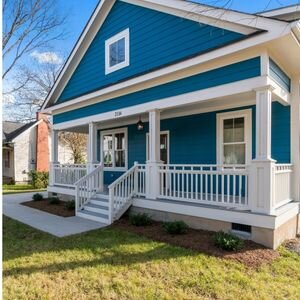
What would the repairs actually cost, and what would they actually return?
Raj Mitchell came to us with a townhouse in Morrisville, a quiet suburb just southwest of Research Triangle Park, and was splitting assets with his ex-spouse, needing the sale handled with minimal back-and-forth. The guest bathroom had a slow leak that had damaged the subfloor, and the garage was still full of shared belongings neither party wanted to sell. Every week the sale dragged on was another week of carrying costs and legal fees. We made an offer that worked for both parties, closed on a Tuesday, and he was done. That kind of clean exit has real value that doesn’t show up on a price spreadsheet, and many sellers underestimate just how much that relief is worth.
For sellers in less urgent situations, the fix-it-first path makes sense under specific conditions: when the repairs are cosmetic, when you have the cash to fund them without borrowing, when the comparable renovated sales clearly justify the spend, and when you have time to wait for a financed buyer.
Replacing flooring and painting the interior in a home in Apex or Holly Springs might return more than it costs. Rebuilding a sinking crawl space or replacing a failed septic system rarely does, especially once you add the carrying costs of the months it takes to complete the work and market the property.
Turner Home Team works with North Carolina homeowners in both situations. If you’re not sure which direction makes more sense for your specific property, a conversation with a team that’s bought and sold across Wake, Mecklenburg, and surrounding counties will give you a grounded answer, not a sales pitch.
Frequently Asked Questions
Can I Sell My House As-Is in NC?
Yes, you can sell your house as-is in North Carolina with no obligation to make repairs before closing. What you cannot skip is the state’s required disclosure form, which must be completed and delivered to potential buyers. Selling as-is simply means the property transfers in its current condition; it doesn’t exempt you from honesty about what you know.
What Are Your Rights in an As-is Sale?
As a seller in an as-is transaction, you have the right to set the terms of the sale, including limiting or waiving repair requests from buyers. You’re protected legally as long as your disclosures are accurate and complete. Buyers retain the right to inspect the property unless that contingency is explicitly waived in the contract, so review the contract language with a North Carolina real estate attorney before signing.
Can You Sell a House That Won’t Pass Inspection?
You can sell a house in North Carolina that has serious deficiencies, even ones that would fail a traditional inspection. No government agency requires a home to pass an inspection before it changes hands. The challenge is that mortgage lenders may refuse to fund loans for properties with certain safety or structural issues, which is why many distressed properties end up selling to cash buyers who don’t have a lender involved.
What Closing Costs Do Sellers Pay in NC?
North Carolina sellers typically cover real estate agent commissions (if applicable), the state excise tax ($1 per $500 of sale price), prorated property taxes, and any liens or judgments against the property. A closing attorney runs a title search to identify any existing loans, liens, or judgments before closing. Total seller-side costs on a traditional sale can add up to seven to ten percent of the sale price, though a direct cash sale without agent commissions on both sides generally runs leaner.
If you’re sitting with a property that needs work, a timeline that doesn’t allow for renovations, or just a situation that’s more complicated than a standard listing can handle, contact us. We’ve worked with homeowners across North Carolina in exactly these situations: no pressure, no obligation, just a straight conversation about your options.
