


Three payments were missed. A certified letter is sitting on the kitchen counter. Low-grade panic shows up every time you check your phone. If that sounds familiar, you’re not alone, and your options are wider than you think right now (even at ninety days out).
What Happens When You Fall Behind on Mortgage Payments in North Carolina
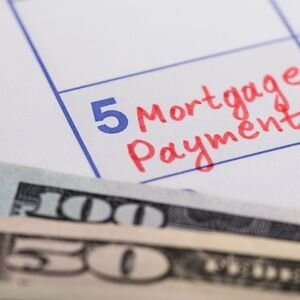
The period after you fall behind on your mortgage payments but before a foreclosure officially begins is generally called the pre-foreclosure stage. This window is actually your most powerful time to act. The mortgage lender hasn’t taken the house yet, which means you still own it and still control what happens next.
Under federal law, the servicer usually can’t officially begin a foreclosure until you’re more than 120 days past due on payments. Roughly four months pass from your first missed payment before the formal legal machinery kicks in. During that pre-foreclosure stretch, fees pile up fast. Inspection fees, late charges, and property preservation costs get tacked onto whatever you already owe, making the hole deeper by the week.
I worked with a family in Garner last month, the Crawfords, whose house had two listing agreements that came and went without any offers. The property sat there while the mortgage balance kept climbing, and the lender’s patience wore thin. By the time they called us, the balance owed had grown by thousands just in fees and accrued interest since they’d first fallen behind. We closed the sale on a Thursday.
North Carolina uses what is called a power of sale foreclosure, which means the lender does not have to file a full lawsuit and win in court. Instead, the lender files the paperwork with the Clerk of Superior Court in the county where the home is located. The speed surprises many homeowners. Mecklenburg County, Wake County, and Guilford County all process these filings with varying speed depending on caseload (I’ve watched sales move through in weeks), but none of them move slowly.
North Carolina currently has nearly 5,000 properties in some stage of foreclosure. This number tells you this situation is common, not shameful. Plenty of people who did everything right got blindsided by a job loss, a medical bill, or a divorce (sometimes all three at once).
Why Selling Before Foreclosure Matters in North Carolina
Many homeowners figure they have more time than they do and that the lender will work something out. Sometimes that’s true. Often it isn’t. The foreclosure process in North Carolina typically takes just a few months from the first missed payment to the foreclosure sale. The window feels long until you realize how quickly time passes when you’re waiting on loss mitigation paperwork and phone calls that go unanswered.
Once foreclosure is complete, the damage goes well beyond losing the house. A foreclosure sale on your record wrecks your credit score for years and can block you from getting another mortgage loan for anywhere from three to seven years, depending on your loan type. A sale, even a short sale, typically does far less damage. The difference matters enormously if you ever want to own again, and in my experience, that window closes faster than people expect.
Selling first also gives you cash, or at least reduces your debt. The foreclosure sale rarely benefits the homeowner. If the mortgage lender offers it, the property goes cheap, and you walk away with nothing, sometimes with a deficiency balance still chasing you.
North Carolina’s housing market has shifted to a balanced market with about 5.86 months of inventory, and the median sales price is $382,500. The median price means most North Carolina homeowners have real equity to protect. Letting that equity evaporate in a foreclosure sale when you could have sold and walked away with money is a mistake that’s difficult to recover from.
Can You Legally Sell a House When Behind on Mortgage Payments in North Carolina
Skipping this question costs people their houses. Some sellers assume they can’t sell once a notice has been filed, so they stop opening mail, stop answering calls, and lose the window they had. That’s entirely backward.
Yes, you can sell your home even if you’ve missed payments, received a notice of default, or had a hearing date scheduled. The right to sell your property in the state of North Carolina doesn’t disappear just because you’re in default on your mortgage loan. What matters is timing.
Your sale must close before the foreclosure sale date. You can also stop the process by filing Chapter 13 bankruptcy, but only before the upset buffer period ends. Once that window closes, the home is gone, and bankruptcy cannot bring it back. So the clock is real.
At closing, the proceeds from the sale pay off all amounts owed to the lender, including principal, accrued interest, late fees, and any processing fees the servicer has added. Whatever remains after that goes to you. If the sale price doesn’t cover the full balance, you’ll need either a short sale approval from the lender or enough cash to cover the gap. An experienced real estate attorney in North Carolina can walk you through the specific legal requirements for your situation, which vary depending on your loan type and the county where your property is located.
One thing that surprises sellers: the notice of hearing is a court document, not a final order. You still have room to act.
What If You Owe More Than Your North Carolina Home Is Worth
Lenders accept short sales far more readily than they did fifteen years ago. This fact isn’t widely advertised, but it changes the math for many sellers.
A short sale happens when the lender agrees to accept less than the full mortgage balance as payment in full. This requires lender approval before you can close. The process takes longer than a standard sale, sometimes two to four months of back-and-forth with the lender’s loss mitigation department, and buyers need to be patient with that timeline. Cash home buyers are often the best fit here because they don’t have financing contingencies that can fall through.
If your first mortgage is underwater, but you have a second mortgage or a home equity loan, both lenders must approve the short sale. A second layer of negotiation trips up many short sales. It is advisable to involve an attorney or an experienced real estate agent early in the process.
What about the forgiven debt? The IRS sometimes treats canceled mortgage debt as taxable income, though exceptions exist for primary residences under the Mortgage Forgiveness Debt Relief Act. Please have that conversation with a tax professional before you close, not after. The tax hit, if there is one, can be manageable; the real problem is the surprise.
The alternative to a short sale is a deed-in-lieu of foreclosure, in which you sign the property over to the lender. It avoids the public foreclosure sale, but you still lose the home and get nothing from the equity. Selling, even short, almost always beats that outcome.
How Do You Find Out What Your North Carolina Home Is Worth?
For years, I relied too heavily on automated online estimates when talking with sellers. Those tools are useful as a starting point and nearly useless as a final answer, especially in neighborhoods where half the homes have been updated, and half haven’t.
A comparative market analysis from a local real estate agent or broker pulls actual recent sales from your specific neighborhood. In Cary, a four-bedroom with an updated kitchen sells very differently from an identical floor plan two streets over with original 1990s finishes. In Asheville’s West End or Charlotte’s Plaza Midwood, micro-market conditions shift block by block, and the comp two blocks away can price you right out of a quick sale. Online tools average that out, and you get a number that belongs to no house in particular.
The average North Carolina home value is currently around $337,813, according to Zillow’s index. But that statewide average tells you almost nothing about your specific property. A home in the Triangle area near Research Triangle Park carries a different value than a comparable house in Rockingham County (sometimes by six figures or more). What you need is a precise address number, not a statewide median.
A cash buyer will walk the property and provide you with an offer within 24 to 48 hours, giving you a faster read. The offer is their real assessment of value minus their margin. Compare it against a formal agent-run CMA, and you’ll have a solid range, letting you negotiate from actual numbers rather than guesswork. Many homeowners also compare offers from cash home buyers in North Carolina to better understand their options and determine the fastest path to avoiding foreclosure. Two data points beat one every time. The North Carolina Real Estate Commission has a public lookup tool to verify that any agent or broker you work with holds a current license in this state.
What Are Your Selling Options When Behind on Payments in North Carolina?
So what actually works when you’re running out of time?
You have three realistic paths. The first is listing with a traditional real estate agent. This gives you the widest buyer pool and potentially the highest sale price, but it also carries the longest timeline. Homes in North Carolina sell after 63 days on market, and that’s before you add attorney review, lender payoff processing, and closing scheduling. If your foreclosure hearing is eight weeks out, a traditional listing is a gamble that rarely pays off.
The second path is a short sale, which we covered above. Useful if you’re underwater. Slow by nature.
The third option is selling directly to cash home buyers. This is the fastest route. A direct cash sale can close in as little as two weeks, skips inspections, appraisals, and lender delays, and works on a timeline you control. The tradeoff is that cash buyers offer less than retail. You’re paying for speed and certainty, not a maximum price. For homeowners in pre-foreclosure, that tradeoff is often exactly the right one to make.
Teams like Turner Home Team can help North Carolina homeowners in situations like these, offering direct cash purchases that can close before a foreclosure sale date. They buy properties as-is, so deferred maintenance or cosmetic issues don’t hold up the sale.
Pros and Cons of Selling a House While Behind on Payments

North Carolina’s current median sales price means that for a homeowner who bought five or ten years ago, there’s a solid chance real equity exists even after accounting for what’s owed. That equity is worth fighting for.
Selling before foreclosure puts you in financial control. You direct the process, you choose the buyer, and you walk away with whatever remains after the mortgage payoff rather than watching an auction gavel decide your fate. Your credit takes a hit from the missed payments either way, but a completed sale damages it far less than a completed foreclosure.
Selling costs do eat into that equity. Expect agent commissions if you list traditionally, often running five to six percent of the sale price, plus attorney fees, title work, and whatever the lender adds for payoff processing. On a $350,000 home, that’s a meaningful sum (title work alone surprised me once). Cash buyers charge no commissions, though their offer price reflects their costs and profit margin.
The downside of selling while behind is emotional, and that’s real. Selling a home you planned to keep, under pressure, with fees stacking up, is hard. The process doesn’t pause for grief. What I’ve seen consistently is that homeowners who decide early and act quickly end up in a far better position than those who wait, hoping the situation resolves on its own.
Step-by-step Process to Sell Your North Carolina Home When Behind on Payments
Waiting costs more than acting. Every week in pre-foreclosure adds fees to your payoff balance and shrinks your runway.
A sale moves from your decision to your closing in these steps:
First, get your payoff figure from your mortgage lender. Call the servicer directly and request a formal payoff statement. This statement shows the exact amount needed to pay off the loan, including accrued interest and fees, and is valid through a specific date. That number is your starting point for every conversation.
Second, get an honest assessment of value. Use the methods described earlier: a CMA from a local agent, a walk-through offer from a cash buyer, or both.
Third, choose your path. If you have equity and time, a traditional listing might work. If you’re tight on time or underwater, consider a cash buyer or short sale.
Fourth, work with a North Carolina real estate attorney. A power of sale foreclosure is a contractual right under the terms of a deed of trust, and Article 2A governs the procedure in Chapter 45 of the North Carolina General Statutes. An attorney keeps you on the right side of those rules, so you’re not scrambling to fix a procedural misstep mid-process. If a short sale is involved, the attorney also handles negotiations with the lender.
Fifth, communicate with your lender throughout the process. Staying quiet and hoping for the best is the wrong move, as servicers are more cooperative when they know a sale is in motion. They have no interest in taking the house if they can get paid off instead.
What Happens at Closing When You Are Behind on Mortgage Payments
You’re not going to see that money in advance. That’s the part many sellers don’t fully grasp until closing day.
At the closing table, the settlement attorney distributes the sale proceeds in a strict order. Your first mortgage gets paid off first, down to the last dollar of interest and fees. Any second liens, tax bills, or HOA arrears come next (HOA balances can surprise sellers). Only after every lien is satisfied does any remaining cash flow to you.
If the sale covers everything owed, you receive a check or wire for the balance. If it falls short and you didn’t have a pre-approved short sale agreement in place, the closing can’t happen without you covering the gap. That’s why getting the payoff statement early and comparing it to your realistic sale price matters so much. Surprises at the closing table are expensive and sometimes sale-killing.
The lender sends a payoff demand letter to the closing attorney before the settlement date. That letter is time-sensitive: payoff figures usually expire within 30 days, and if the sale is delayed for any reason, a new payoff must be requested. I’ve seen sales stumble on exactly that detail when sellers didn’t understand the deadline.
Your credit report will reflect the missed payments regardless of how the sale resolves. The foreclosure notation, though, only appears if the foreclosure actually completes. A clean sale, even a short sale with lender approval, stops that specific mark from landing on your report.
Alternatives to Selling When You Are Behind on Payments in North Carolina
Selling feels like giving up. It doesn’t have to be your first move.
Loan modification is worth pursuing before you decide to sell. Your servicer may agree to restructure the loan terms, lower your interest rate, or extend the repayment period to reduce your monthly payment. The catch: approval takes time, and the servicer isn’t obligated to say yes. If you’ve already missed several payments and foreclosure proceedings have begun, getting approval for a modification is harder.
No more than 45 days after a missed payment, the servicer must inform you in writing about any loss mitigation options that may be available. Read that letter carefully. It may list forbearance, repayment, or modification options specific to your loan.
Chapter 13 bankruptcy is a real option for homeowners who want to keep the property and can afford to catch up over time. Most individual homeowners choose Chapter 13 bankruptcy because it’s the simplest form of individual reorganization and allows a debtor to cure pre-bankruptcy arrears through a plan that can stretch up to 5 years. This can pause the foreclosure and give you a structured path to getting current. It’s not free, and it requires a steady income to fund the Chapter 13 plan, but for the right homeowner, it genuinely works.
Refinancing is mostly off the table once you’ve missed payments, since lenders won’t approve a new mortgage loan while you’re in default on the existing one.
A reverse mortgage may also affect your options if you’re 62 or older and have a qualifying home equity conversion mortgage (HECM). Unlike a traditional mortgage, a reverse mortgage generally doesn’t require monthly principal and interest payments, but the balance grows over time. If you’re already facing foreclosure, check whether you’ve fallen behind on property taxes, homeowners insurance, or other required obligations, because those can trigger a default. Selling the home may allow you to pay off the reverse mortgage from the proceeds, but you must obtain an accurate payoff statement first. If you want to keep the property, contact your loan servicer promptly to discuss available options before the foreclosure process advances.
What gets left out of most discussions: sometimes, doing nothing is the worst option. The North Carolina Housing Finance Agency administers foreclosure prevention programs for qualifying homeowners, which means there’s a structured path available before things spiral out of control. That’s a free resource worth calling before you make any decision.
Talk to a North Carolina real estate agent who can help you sell.

Elena Mitchell reached out on a Tuesday, three months into a divorce she hadn’t asked for. The house in Waxhaw had a paid-off storage unit in the garage packed with her ex-husband’s tools, and neither of them wanted to sell any of it. She just needed the house gone, and the chapter closed.
We connected her with the right resources and walked her through a direct sale that closed before the divorce decree was finalized. The tools in the garage went to a donation center. She moved on.
That kind of situation, where the house is tied to something painful and the seller just wants it resolved cleanly, happens regularly. For homeowners on the Crystal Coast facing similar circumstances, choosing to sell your house fast for cash in Emerald Isle can provide a practical way to avoid foreclosure while staying in control of the sale timeline. The right real estate agent or home buyer isn’t just a transaction processor; they’re someone who can hold the pieces together when the seller’s bandwidth is stretched thin.
Turner Home Team works specifically with North Carolina homeowners facing mortgage default, pre-foreclosure, or forced sales. Their team understands the local market from the mountains in Buncombe County to the coast in Brunswick County, and they’ve handled enough of these situations to know what actually works and what doesn’t.
Are you working with an agent who has actually closed a pre-foreclosure sale in your county? That experience gap matters more than most sellers realize when they’re up against a deadline.
Frequently Asked Questions
Can I Sell My Home If I’m Behind on Payments?
Yes, you can. Being behind on your mortgage does not deprive you of your right to sell the property. The sale proceeds pay off the mortgage at closing, and as long as you sell before the foreclosure sale is completed, the transaction is fully legal. Acting early gives you the most options.
How Many Months Can You Be Behind on Your House Payment Before Foreclosure Begins?
Federal law generally prevents a servicer from officially starting foreclosure until you’re more than 120 days past due on payments. That’s roughly 4 missed monthly payments before formal proceedings can begin, though the lender will likely send notices and make contact well before that point. Once that threshold is reached, the process can move quickly in North Carolina, so don’t treat 120 days as a safe buffer.
What happens if you sell your house but still owe on the mortgage?
The payoff balance goes to your lender at closing before any money comes to you. If you’re wondering if Medicaid will know if I sell my house, it’s important to understand that selling a home while receiving government assistance may have financial and eligibility implications depending on your circumstances. If the sale price covers everything owed, the difference is yours as proceeds. If the sale price falls short of the payoff, you’ll either need to bring cash to closing or have a pre-approved short sale agreement in place with your lender. Once the lender has been paid in full, they release the lien, and the title transfers cleanly to the buyer.
Suppose you’d like to talk through your options with someone who knows this market and won’t push you toward a decision that doesn’t fit your situation. If you want to discuss your options before making a decision, reach out to Turner Home Team for a no-pressure conversation about your situation and the best path forward.
Helpful North Carolina Blog Articles
- Can You Sell a House As Is Without Inspection in North Carolina
- Can I Sell My House Below Market Value in North Carolina
- How To Sell a House When You Are Behind on Payments
- Documents Required for Selling Inherited Property
- Do I Need a Lawyer to Add a Name to a House Deed?
- How to Find a Trusted Realtor in Another State
- How Will Medicaid Know if I Sell My House
- Selling a house with solar panels
- Sell my flooded house in North Carolina
- How to Sell a Termite-Damaged House in North Carolina
- Selling Home with Reverse Mortgage
- How to Sell a House While Living in It