![We Buy House With Foundation Issues [market_city]](https://image-cdn.carrot.com/eyJidWNrZXQiOiJwcm9kdWN0aW9uLmNhcnJvdC11cGxvYWRzLm9uY2Fycm90LmNvbSIsImtleSI6InVwbG9hZHMvc2l0ZXMvNzQxMTgvMjAyNi8wNS9XZS1CdXktSG91c2UtV2l0aC1Gb3VuZGF0aW9uLUlzc3Vlcy5wbmciLCJlZGl0cyI6eyJyZXNpemUiOnsid2lkdGgiOjExNTJ9LCJ0b0Zvcm1hdCI6IndlYnAiLCJ3ZWJwIjp7InF1YWxpdHkiOjcwfX19)


You’re staring at the crack in your basement wall, wondering how it got so wide you could fit a quarter in it. Maybe your doors stick every summer, or your floors feel like a funhouse. Welcome to the reality of owning a home in North Carolina, where clay soil and humidity create a perfect storm for foundation headaches.
I’ve bought hundreds of houses across the Tar Heel State, and let me tell you something: foundation movement is common enough here that you are nowhere near alone in this. The good news? You don’t have to fix everything to sell your house. In fact, in many cases, you shouldn’t even try. A lot of homeowners skip the repair bill entirely and sell to a company that buys houses in North Carolina as they stand.
Foundation Problems That Affect Home Sales in North Carolina
Foundation issues aren’t just cosmetic annoyances. They’re sales killers for traditional buyers but opportunity magnets for the right kind of purchasers. Most buyers who hear the word structural walk, and the ones who stay are a different crowd. They are cash buyers and renovation buyers who go looking for these situations on purpose, and they price them rather than fear them.
The key is understanding which foundation problems you’re dealing with and how they impact your selling options. Not all cracks are created equal, and not every settlement issue requires a $30,000 repair bill before you can get a fair offer.
Common Foundation Defects Found in North Carolina Homes
Stair-Step Cracks in Brick
The most recognizable sign of foundation movement is stair-step cracks running through the mortar joints of brick or block walls. These zigzag patterns tell a story of soil shifting beneath your home. They’re common, they’re concerning, and they’re worth documenting.
Horizontal and Vertical Cracks in Poured Concrete
Vertical cracks in poured concrete foundations are serious. Horizontal cracks are worse. When you see horizontal cracking, the wall is failing under soil pressure. If you can slide a coin into any crack, you’re looking at structural movement that needs professional attention before you list.
Sticking Doors and Windows
One of the first symptoms homeowners notice is doors and windows that jam or fail to latch properly. This happens because the frames are warped by a shifting structure. Diagonal cracks in drywall, especially extending from the corners of door and window frames, tell the same story.
Sagging or Bouncy Floors
Floors that feel uneven, sloped, or bouncy are a strong indication that the underlying support system is being compromised. This is particularly common in crawlspace homes, which make up a significant portion of North Carolina’s housing stock. If you’ve got a crawlspace and spongy floors, start there.
Why North Carolina’s Soil Creates So Many Foundation Problems
The Clay Problem
North Carolina’s red clay soil is beautiful for making pottery and terrible for keeping foundations stable. The Piedmont region, covering Raleigh, Durham, and Winston-Salem, sits on Cecil soil across 1.6 million acres. It’s loaded with red clay deposits that are reactive to moisture in ways that put relentless stress on foundations.
What happens is straightforward: clay-rich soil dries out, shrinks, and hardens in summer, then swells and expands with moisture during cooler, wetter months. Your foundation experiences dozens of these expansion and contraction cycles every year. Each cycle progressively worsens existing cracks and settlement issues. It’s like your house is doing yoga all year long, except the poses keep getting more extreme each season.
Coastal and Mountain Differences
The Coastal Plain presents a different challenge. Sandy soils drain quickly but can lead to settlement issues as water moves through them. Homes near the coast also contend with humidity that keeps moisture levels elevated for more of the year than they are inland.
Mountain homes face freeze-thaw cycles that compound the problem. It only takes a few days of frost to do serious damage. Water that has infiltrated foundation cracks freezes overnight, expands with tremendous force, and then thaws the next day. That freeze-thaw cycle acts like a wedge, progressively widening cracks throughout winter.
How Foundation Issues Impact Property Values
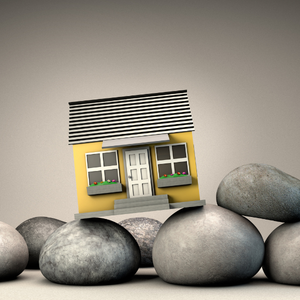
Let’s talk numbers. Homes with significant foundation issues sit on the market longer than comparable properties without structural problems. Time is money in real estate, and foundation problems cost you both.
North Carolina’s median sale price is $373,465, homes are taking about 66 days to sell, nine days longer than a year ago, and they are closing at roughly 98% of list price. That is a buyer’s market, not a seller’s one. But here’s what most agents won’t tell you: foundation issues change your buyer pool more than your price. Traditional buyers with financing face strict lender requirements. FHA, VA, and conventional mortgage lenders have property condition standards that significant structural issues often can’t meet, which eliminates the majority of potential buyers before you even get to negotiation.
That’s not a reason to panic. It’s a reason to understand your actual market and price accordingly from the start. If you want the arithmetic behind that discount, we break down how much do you lose selling a house as is in NC.
Professional Foundation Inspection: Do This Before Anything Else
Before you spend a dollar on repairs or make any decisions about your selling strategy, get a professional assessment. A quality structural engineer will categorize your issues by severity, provide repair estimates, and help you understand which problems are cosmetic versus structural.
This step matters even if you plan to sell as-is. Having professional documentation protects you legally, helps you price accurately, and shows buyers you’re being straight with them about the property’s condition. It also gives you leverage in negotiations because you know exactly what you’re dealing with before buyers bring in their own contractors.
What to Expect From a Structural Assessment
Different buyers need different levels of documentation. Traditional buyers with mortgage financing will need a full structural assessment if foundation issues are disclosed. The lender’s appraiser will flag visible problems and require an engineer’s report before approving the loan.
Cash buyers and investors often bring in their own contractors for estimates rather than requiring formal engineering reports. This is one reason cash sales move faster and with less back-and-forth. We can tell you at Turner Home Team what documentation makes sense for your specific situation before you spend money on a report nobody is going to ask for.
North Carolina Disclosure Laws for Foundation Problems
North Carolina doesn’t mess around with disclosure requirements. Under the Residential Property Disclosure Act (NC G.S. 47E), sellers must deliver a disclosure statement before a sale, and the Act has required it since January 1996. North Carolina then gives you a choice on that form. You can disclose what you know about the property, including foundation problems, or you can answer No Representation, which lifts the statutory duty to disclose. It does not license you to hide anything or to answer a buyer’s direct question falsely, and it applies whether you sell traditionally or as-is to a cash buyer.
Selling as-is doesn’t mean selling without disclosure. It means you’re not making repairs. You still have to be honest about what you know, and the buyer accepts the property in its current condition with full knowledge of the issues.
The practical upside: honest disclosure usually works in your favor. Buyers who know what they’re walking into are less likely to back out mid-contract or come back with surprise demands after inspection. Transparency builds the kind of confidence that keeps sales together.
Repair Costs: Understanding the Numbers Before You Decide
Knowing what repairs actually cost helps you make a clear-eyed decision about whether to fix anything before listing.
Typical Foundation Repair Costs in North Carolina
Minor crack sealing runs $500 to $1,500. Underpinning with piers ranges from $10,000 to $30,000, depending on the scope. Full foundation replacement on a typical home can exceed $50,000. Get multiple estimates before accepting any of these numbers as final.
One thing I tell every seller: most foundation repair estimates come in higher than necessary. Contractors often default to the most comprehensive solution when a more targeted repair would solve the problem. Get at least three opinions, ask about phased approaches, and don’t be afraid to push back on scope.
Transferable Warranties Matter
If you do make repairs before selling, insist on a transferable warranty. Most reputable foundation repair companies offer warranties from 10 years to lifetime, but not all transfer to new owners. A transferable warranty can be a meaningful selling point for traditional buyers who are nervous about the property’s history. Read the fine print and negotiate transferability before signing any repair contract.
Should You Repair Before Selling or Sell As Is?

This is the question most sellers are really asking, and the honest answer is that the math usually doesn’t favor pre-sale foundation repairs. How long you should live in a house before selling is worth weighing here too. Most advisors suggest two to five years in a house to build enough equity to cover selling costs, but foundation issues can change that calculus entirely.
You might spend $20,000 on foundation work and recover only $15,000 in increased sale price. Meanwhile, you’re carrying mortgage payments, taxes, and utilities for however many months repairs take. Foundation work often uncovers additional problems, extends timelines, and rarely delivers the return sellers expect.
That said, there are exceptions. If you own a high-value property in a neighborhood like Myers Park in Charlotte or the Village District in Raleigh, strategic repairs might pencil out. The key is running the actual numbers for your specific property and market, not assuming repairs will pay for themselves.
My general advice is to skip the repairs unless there’s a safety issue or something that prevents the home from being livable, and price accordingly. Let the buyer choose their own contractor and solution. You’ll often net the same or more when you factor in time and holding costs.
Marketing a Home with Foundation Issues
Honesty is your best marketing strategy, full stop. Lead with the property’s genuine strengths, school district, lot size, location, and recent updates. Address the foundation issues directly with documentation and repair estimates. Buyers who are prepared for the reality are far more likely to close than buyers who discover problems during inspection.
Not every agent is comfortable with this approach. Some are reluctant to list distressed properties because they’re harder to show and photograph. You need an agent who understands the buyer pool for homes with foundation issues and knows how to reach them. That means investors, renovation buyers, and cash purchasers who see potential rather than problems.
Financing Challenges for Buyers of Foundation-Damaged Homes
Traditional financing creates real hurdles. FHA loans require properties to meet minimum property requirements, and significant foundation issues typically disqualify a home until repairs are completed. VA loans have similar restrictions. Conventional loans depend on the appraiser’s judgment and the lender’s risk tolerance, which varies.
This is why cash buyers dominate the market for homes with foundation problems. They don’t need lender approval, so foundation issues become a negotiation point rather than a dealbreaker. Understanding this dynamic helps you price strategically and target the right buyers from the start rather than wasting time with buyers whose financing will fall apart at appraisal. Appraisers can force the issue too, and our rundown of mandatory home appraisal repairs in North Carolina covers what gets flagged.
Negotiating Price Reductions for Foundation Repairs
When foundation issues are on the table, negotiations center on repair costs and risk. Serious buyers will get their own contractor estimates, which may differ from yours. Have your documentation ready and know your numbers going in.
Cash buyers typically work from a straightforward formula: after-repair value minus renovation costs, holding costs, and their margin. A transparent buyer will walk you through this math if you ask. Understanding how they’re calculating their offer helps you negotiate more effectively and identify which offers are genuinely competitive versus lowball attempts.
For minor, well-documented issues, you might offer a repair credit rather than a price reduction. This gives buyers flexibility to choose their own contractor while demonstrating you’re serious about addressing the problem.
Selling As-Is to Cash Buyers: What to Expect
The cash buyer market in North Carolina is active. Roughly 39% of home sales nationally closed in cash in 2025, and distressed properties drive a significant portion of those sales. Cash offers for homes with foundation issues typically range from 50% to 80% of market value, depending on the severity of problems, location, and current repair costs.
That range is wide, which is why getting multiple offers matters. A cash buyer marketplace that generates competing offers simultaneously will drive your final number higher than a single direct offer. The difference can be tens of thousands of dollars.
Local buyers familiar with North Carolina markets can often offer more than national companies because they understand neighborhood values and local repair costs. They’re also more likely to close on schedule because they know local title companies and closing procedures. That local knowledge is the whole point, and we buy houses in Greenville, NC in any condition without asking you to touch the foundation.
Timeline for Cash Sales
Cash sales typically close in 14 to 30 days. Traditional sales complicated by foundation issues can stretch to six months or longer when you factor in inspection negotiations, repair timelines, financing contingencies, and potential sale failures. If you’re facing job relocation, financial pressure, or just need certainty, cash buyers provide something traditional sales can’t: a firm closing date.
The trade-off is price, but when you factor in holding costs, repair expenses, and the carrying costs of an uncertain traditional sale, cash offers often net more than they initially appear to.
Alternative Selling Options for Severe Foundation Problems

When traditional sales aren’t viable, you have options beyond straight cash sales.
An auction can work for some properties, particularly those with unique characteristics that might attract multiple investors. It requires careful preparation and realistic reserve pricing, but it can create competitive bidding among buyers who understand distressed properties.
Owner financing is worth considering if you’re comfortable with the legal structure. It appeals to buyers who can’t get traditional loans but have cash for repairs. This approach requires solid legal documentation and isn’t right for every seller, but it expands your buyer pool beyond traditional and cash purchasers. Many homeowners also explore working with cash home buyers in Greensboro and nearby cities in North Carolina when they want a faster and more flexible selling process for properties with major foundation issues.
Frequently Asked Questions
How Difficult Is It to Sell a House with Foundation Problems?
Challenging but absolutely doable. The key is understanding your actual buyer pool and pricing for it from the start. Traditional buyers with financing face real hurdles, but cash buyers and investors actively seek these properties. With honest disclosure and realistic pricing, you can sell. Expect a longer timeline than a house without issues unless you’re targeting cash buyers specifically.
Should I Fix Foundation Issues Before Selling?
Usually no, unless the issues are safety hazards or you’re certain you’ll recover the costs in your specific market. Most sellers spend more on foundation repairs than they recover in sale price. Focus any repair budget on items that prevent the home from showing well or that create legal liability, and let buyers address structural issues with their own contractors.
What Makes a House Truly Unsellable?
Very few houses are unsellable, even with severe foundation problems. Properties become genuinely difficult to sell when repair costs exceed potential value, when safety issues make them uninhabitable, or when legal problems prevent occupancy. Even then, cash buyers and investors often see opportunity. The question is usually price, not possibility.
Are Foundation Issues Always Sale Breakers?
No, but they significantly change your buyer pool. Traditional financing buyers often can’t proceed due to lender requirements. Cash buyers, investors, and renovation-minded buyers treat foundation issues as negotiation points rather than dealbreakers. The severity of your specific issues and your local market determine the real impact on saleability.
If you’re dealing with foundation problems and need to sell in North Carolina, you’re not out of options. Whether you make targeted repairs, price for the issues, or sell as-is to a cash buyer, there’s a path forward that makes financial sense for your situation.
The worst thing you can do is nothing. Foundation problems don’t get cheaper to fix over time, and an unsold house with known structural issues costs you money every month you hold it.
If you want to talk through your specific situation without any pressure, reach out to Turner Home Team. We’ve helped homeowners across North Carolina navigate exactly these circumstances, and sometimes an honest conversation about your options is all it takes to find the right path forward.
Helpful North Carolina Blogs Articles
- Paperwork for Selling Your Home by Owner in North Carolina
- Understanding North Carolina Inheritance Laws
- Selling Your Home Without a Realtor in North Carolina
- Selling a Home with Code Issues in North Carolina
- Selling a House in Foreclosure in North Carolina
- Home Appraisal Repairs In North Carolina Real Estate
- Selling a House With Mold Problems in North Carolina
- How to find off market deals in North Carolina
- Sell House With Foundation Problems Fast In North Carolina
- Who Pays Closing Costs When Selling a House in North Carolina
- Taxes When Selling An Inherited House In North Carolina
- Selling Your Fixer-upper House For Cash In North Carolina
- How Long Should You Live In A House Before Selling It
- How To Sell An Inherited House When Multiple Owners Are Involved
- Selling Rental Property at a Loss And Minimize Your Tax Burden