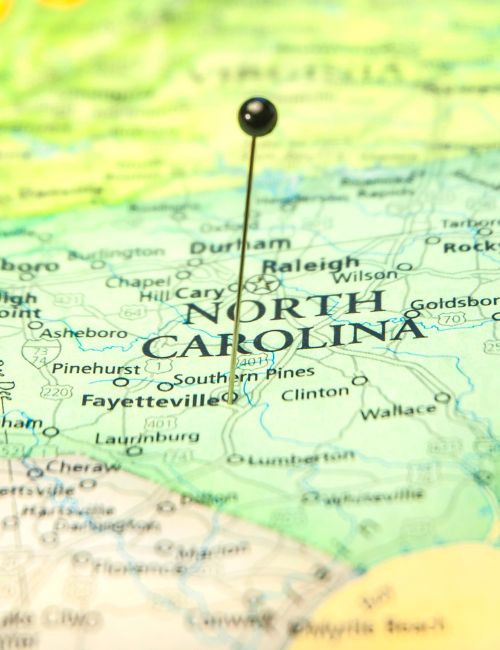

43% of the buildings that flood in North Carolina sit outside a federally mapped flood plain, according to research cited by NerdWallet’s North Carolina insurance guide. Water doesn’t read maps. If you’re standing in a house with a stain line across the drywall and a phone full of adjuster voicemails, none of this was in your plans. I’ve sat across the table from owners in exactly that spot. You want three things answered: what the house is worth now, who will buy it, and how soon you can be finished with it.
What Does the North Carolina Housing Market Look Like Right Now?
A seller in Greenville told me flat out that cash buyers badmouth the market to justify a cheap offer. Fair suspicion. So here are the numbers instead of my opinion. Statewide, the median closed sale price sat at $360,000 as of September 2026, measured across roughly 99,500 closings tracked over the prior six months by Resideline. That statewide figure hides enormous spread. Cary’s median came in at $615,000 over the same window, Fayetteville’s at $229,000.
Speed is the part that’s shifted. Redfin’s state data put median days on market at 66 in August 2026, nine days longer than a year earlier, with 21.6% of listings taking a price cut.
Buyers can afford to be picky. Listings across the state ran about 9% higher this August than last, so a flooded house is competing for attention against more dry ones than it was a year ago.
What Are Your Home-selling Options in North Carolina?
You’ve got three doors, and none of them is the wrong one. Door one: fix the house, then list it with an agent for top dollar. Door two: list it as-is on the MLS and let the flood history thin out your showings. Door three: sell straight to a cash buyer and close on a date you pick.
Which door fits depends on how much money you can put in and how long you can wait.
A while back I bought a rental from a longtime landlord up in Kinston, a brick ranch he’d held since the eighties. Thirty years of tenant leftovers filled the garage, including a boat motor nobody could identify. His two siblings wanted a clean exit before the next tax bill came due. We walked it on a Saturday and closed as-is, so the boxes stayed exactly where thirty years had left them.
Renovation only pays when you can finish it. Half-gutted houses sell worse than untouched ones, and I’ve watched more than one seller run out of money at the drywall stage.
Who Are the Real Cash Buyers in North Carolina?
“Are you the actual buyer, or are you going to flip my contract to somebody else?” Ask that out loud on the first phone call. A real buyer closes with their own funds and can show you proof. A wholesaler ties your house up under contract and then shops it around, and I’ve watched closing dates evaporate when nobody bites.
Both types work this state. Post yours on Zillow in Wilmington or Hickory and your phone rings by dinner.
Three questions sort them out fast. Have you closed in my county this year? Will you put earnest money with a real estate attorney? Can I call the last seller you bought from? Anybody who dodges all three isn’t worth your afternoon.
That second question carries more weight here than in most states. North Carolina requires a licensed attorney to supervise a residential closing, so escrow companies don’t run the file here the way they do elsewhere. Local operators like Turner Home Team work inside that system every week, which is what you want when the house has water damage and a thin paper trail.
Are There Hidden Fees When You Sell to a Cash Buyer?
A seller once brought me a competing offer that was $12,000 higher than mine. Buying houses this long teaches you to read those numbers twice. We read it together, and it carried a “transaction fee” and put both sides of closing on her. Her net landed four figures below mine.
Read the net, not the headline. That’s the whole lesson.
On a traditional listing, agent commission and seller-paid closing costs come off the top, and since the 2024 commission rule changes those splits are negotiable rather than standard. A straight cash sale takes commission out of the picture entirely. Most legitimate buyers also cover the attorney’s closing fee themselves.
What should never show up on your settlement statement? Marketing fees, administrative fees, or anything labeled “buyer’s convenience.”
Repairs and cleanouts work differently. If a buyer says as-is, they own the mold remediation and the ruined flooring, and that cost sits inside their offer price instead of showing up as a line item you pay later. Ask for the draft settlement statement before you sign anything.
How Do You Get Real Competing Offers and Avoid Lowball Tactics?
Call six “we buy houses” numbers and you’d expect six real offers. Three will be wholesalers naming a price they can’t fund. Two will lowball you on purpose to anchor the negotiation. The sixth might be the real thing.
Make them compete on the same terms. Give every buyer identical information: the flood history, the insurance claim, the square footage, the repair estimates you already have. Then ask for each offer in writing, with a closing date and an earnest money amount attached.
The best filter I know is one question. Ask each buyer how they arrived at their number. Someone who names comparable sales on your side of town and subtracts real repair costs is doing arithmetic. Someone who says “that’s just what we can do” is fishing.
I’d rather lose a house to a competitor’s higher offer than have a seller sign with me and feel cornered. The Turner Home Team habit of walking sellers through the math is worth expecting from whoever you end up selling to.
Can You Sell a Flooded House in North Carolina?
The average NFIP flood claim paid in North Carolina has run around $24,600 over the long haul, well under the national figure near $52,000, according to Insurify’s North Carolina flood insurance guide. Big storm years blow past that average, so treat it as a midpoint and not a promise. Buyers in Lumberton, Princeville, and Swannanoa have been pricing water-damaged homes for years, and those houses sell in markets that already know what they’re worth.
Yes, you can sell. Disclosure is the piece you can’t skip.
Since July 1, 2024, the state disclosure form has carried direct questions about flood damage, prior claims, and federal disaster assistance, a change covered by the Association of State Floodplain Managers. Under Chapter 47E, you complete that statement and hand it to the buyer before any offer gets made. Answer the questions honestly. Hiding a claim is how sellers get sued after closing.
Last year I bought a split-level in Gastonia from a man who’d been quietly paying two mortgages for almost eleven months. He’d moved for work, the flooded house wouldn’t appraise, and he hadn’t told his own family. He kept apologizing for the smell in the crawlspace. He didn’t need to.
Frequently Asked Questions
Flood insurance through the NFIP can be assumed by your buyer, so an older, cheaper policy transfers with the house and becomes a genuine selling point. The assignment has to be signed on or before the day you close, so get the declarations page from your agent early instead of scrambling for it later.
How Hard Is It to Sell a House That Sits in a Flood Zone?
Harder than the same house on high ground, but far from impossible. Mortgage lenders require flood coverage in high-risk zones, so financed buyers carry an extra bill and an extra contingency. Cash buyers skip all of that. Expect a longer marketing period on the open market than the statewide median mentioned earlier, and expect more inspection back and forth.
Do I Legally Have to Tell Buyers My House Flooded?
Yes, on the state disclosure form, and I’d tell them even if the law didn’t require it. You can technically answer “No Representation” to many questions, but that choice signals to every buyer that something’s being hidden. Full disclosure up front protects you from a lawsuit later and usually produces a cleaner, faster closing.
Will a Cash Buyer Pay Less Because the House Flooded?
A cash offer reflects repair cost, not punishment. Remediation, flooring, drywall, and sometimes electrical work all come out of the price. What you’re buying in exchange is speed, certainty, and zero out-of-pocket spending. You can check your property’s mapped risk anytime through the North Carolina Flood Risk Information System before you talk to anyone.
Weighing repairs against just being done with it usually comes down to time and tolerance. Repairs mean contractors, draw schedules, a summer of dehumidifiers, and a listing that still has to survive an appraisal. Selling as-is means a number you can plan around this month. Neither one is wrong. They’re different trades, and only you know which one you can live with.
If you want to see what the as-is number looks like on your house, I’m happy to walk through it with you, with no obligation and no pressure to decide on the spot. Send me the address, tell me what happened and how high the water reached, and I’ll give you a straight answer. Sometimes that answer is that you’d do better listing it. You’ve been through enough already. Getting a number shouldn’t be the hard part.
Helpful North Carolina Blog Articles
- Can You Sell a House As Is Without Inspection in North Carolina
- Can I Sell My House Below Market Value in North Carolina
- How To Sell a House When You Are Behind on Payments
- Documents Required for Selling Inherited Property
- Do I Need a Lawyer to Add a Name to a House Deed?
- How to Find a Trusted Realtor in Another State
- How Will Medicaid Know if I Sell My House
- Selling a house with solar panels
- Sell my flooded house in North Carolina