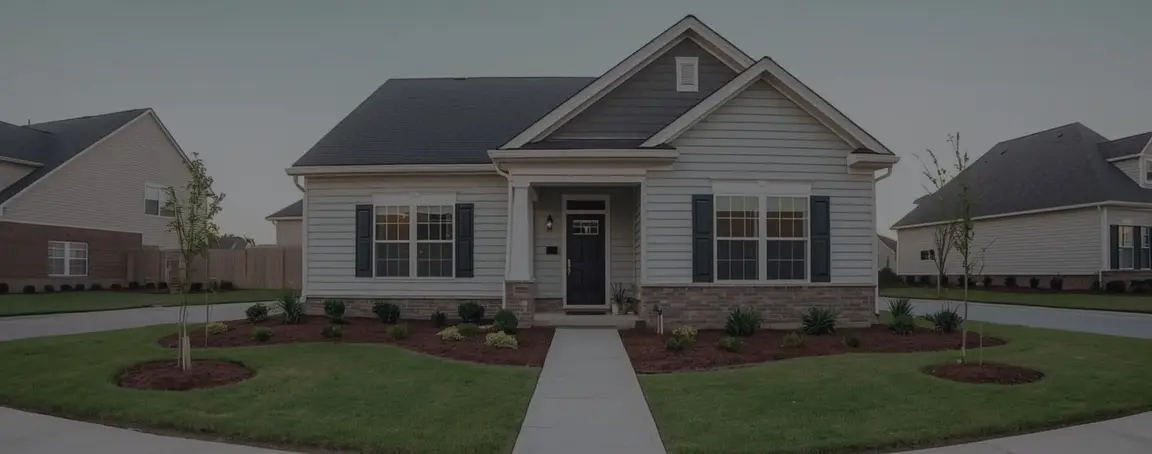

Two ranch houses sit across the street from each other. One has an array on the south-facing roof. The other has bare shingles. The solar house can fetch tens of thousands more, or it can sit for months while a mortgage lender argues with a solar company over a lien. Same equipment, opposite outcomes. What separates them isn’t the panels. It’s the paperwork underneath them, and whether you handled that before the sign went in the yard.
Do Solar Panels Increase Home Value?
Get this number wrong and you pay for it twice. Overprice the system and your house sits. Underprice it and you hand a stranger the equity you spent years paying for.
SolarInsure studied roughly 5,000 California sales from 2020 through 2023, and EnergySage wrote it up in early 2026. Homes with owned systems went for 5 to 10 percent more than comparable homes without them. That’s roughly double what earlier analyses showed. Systems the homeowner didn’t own showed no measurable premium at all. Nationally, the U.S. Department of Energy points to research finding buyers paid about $15,000 extra for an average-sized array, treating it the way they’d treat a renovated kitchen.
My opinion, and plenty of solar salespeople won’t like it: don’t count on recovering every dollar you financed. Someone who paid retail for an oversized system with a long loan attached sits in a different spot than one who paid cash for a right-sized array. Equipment pricing has fallen hard. EnergySage’s marketplace put the average near $2.60 per watt in mid-2026. A buyer comparing your ten-year-old system against today’s pricing isn’t being unfair. They’re running the numbers themselves.
Appraisers matter here too. In the 2025 National Association of Realtors sustainability survey, 73 percent of agents weren’t sure local appraisers were trained to value features like these. No training and no nearby comps, and that premium quietly evaporates on the report.
Are Houses with Solar Panels Harder to Sell?
For years agents warned that panels shrink your buyer pool. The federal energy office points the other direction, citing evidence that solar homes move faster than comparable listings. From what I’ve seen, buyers in high-utility-rate markets go looking for them on purpose.
Agents themselves stay wary. In that same 2025 survey, 48 percent said they think solar makes a home harder to sell, while 32 percent disagreed outright. Understanding how an array affects a transaction ranked as the profession’s top knowledge gap, cited by 58 percent.
So the honest answer splits in two. Own your array free and clear and you’re selling an upgrade. Carry a lease, a power purchase agreement, or an unpaid loan and you’re asking a buyer to qualify for a second contract on top of their mortgage.
Have you read your own solar agreement since the day you signed it? Most sellers I sit down with haven’t. The transfer language is usually on page nine.
Owned vs Leased Solar Panels: How Ownership Affects a Home Sale
Early last year, two adult children called me about their late mother’s rental house on the east side of Greenville, North Carolina. They were done chasing rent, had never wanted to be landlords, and wanted to sell. The leased panels on the roof had already spooked one buyer who backed out during inspection. I’ve watched that same reaction play out more than once.
Ownership decides almost everything about how your sale goes. A system you paid cash for conveys like the water heater, no extra steps. A solar loan usually carries a UCC-1 fixture filing recorded against your title, and that clears from your proceeds at closing, same as your mortgage.
Leases and PPAs run on a separate track. Your buyer applies with the solar company, passes a credit check, and signs on for the remaining term. Solar.com notes that every lease and PPA provider staffs a department for these transfers and coordinates the documents with escrow. Timing is the real risk. Allow several weeks, not several days.
Clearing the contract and handing over the panels as owned equipment is usually the cleanest path. One catch: tax equity rules generally block a full buyout in the system’s first five or six years. Providers offer a prepayment instead inside that window. Ask which one applies to you before you promise a buyer anything.
How to Prepare a Solar-equipped Home for Sale
You don’t have to hire a solar consultant before listing. Pull four documents and you’ve handled 90 percent of it. The original installation contract. The warranty paperwork with transfer terms spelled out. Your interconnection agreement with the utility. And twelve months of production data from the monitoring app.
Roof age is the piece sellers skip. If your shingles have five years left under a twenty-year array, a buyer’s inspector will find that. Removal and reinstallation costs then land on the negotiating table. Better you raise it first.
Solar panel cleaning is cheap insurance before photos. Dust and pollen cut output, and a grimy array photographs like neglect.
Don’t trust a payoff number that’s two years stale. Call your lender or lease provider and get a written buyout figure dated within the month you plan to list. When a seller wants a faster route with none of this coordination, a direct cash buyer like Turner Home Team can take the property with the system as-is. That sidesteps the appraisal and the lender approval entirely.
How to Market a House with Solar Panels
One listing I watched went up with a noon photo of a glaring roof and a single line of remarks: “Home has solar.” A wasted chance to make the case for the equipment. It came back on the market later with a year of utility bills attached to the disclosure packet, and drew multiple offers inside a week.
Numbers sell solar. Not adjectives. Post the average monthly electricity bill, the annual kilowatt-hours the system produced, and what the same house would have paid the utility without it.
Name the installer and state plainly that the warranty transfers. Buyers worry about who answers the phone when an inverter fails in year eight. A real company name settles that faster than any bullet point about clean energy.
There’s a new wrinkle worth using. The One Big Beautiful Bill Act, signed July 4, 2025, ended the federal residential clean energy credit for expenditures made after December 31, 2025, under 26 U.S.C. 25D. IRS Fact Sheet FS-2025-05 confirmed that the completion date of the installation controls eligibility, not when you signed or paid. So a buyer putting new panels up today gets no 25D credit. Your existing owned system carries value nobody can duplicate on the cheap anymore, and your real estate agent should be saying that out loud.
Can You Take Solar Panels to a New Home When You Move?
I’ll tell you the same thing I tell people at their kitchen table. You can, but almost nobody should. Removal, re-permitting, new racking, a fresh interconnection application with a different utility, plus roof patching on the house you just sold. That’s all before you’ve paid anyone to reinstall the panels somewhere else. The bill routinely runs past what used panels are worth, and you’ve stripped a selling point off the property on your way out the door.
Panels attached to a roof are fixtures. If you plan to keep them, write it into the contract before anyone signs, and disclose it up front. A buyer who tours a solar home and closes on a bare roof has a legitimate grievance.
A man called me on a weekday afternoon from across the state line in South Carolina, splitting assets in a divorce and wanting one clean sale with no repairs and no coordinating. His panels were four years old, his ex-wife had the monitoring login, and a canoe hung in the garage that nobody wanted. That’s the kind of detail that tells you a sale needs to just be done. We bought it with the system in place and closed on his timeline.
Frequently Asked Questions
Is It Harder to Sell a House That Already Has Solar Panels?
Owned systems usually help. The friction shows up with third-party contracts, where your buyer has to qualify with the solar provider separately and their lender has to sign off on any lien recorded against the title. Start those conversations the week you list, not the week you close.
Should I Remove My Solar Panels Before Selling?
Rarely. Removal costs money, leaves penetrations in the roof deck to repair, and erases the premium described earlier. The one case worth considering is a small, failing system on a roof that’s due for replacement anyway.
What Happens to My Solar Panels When I Sell My House?
Owned panels transfer with the property like any other fixture, along with whatever remains of the manufacturer and workmanship warranties. A remaining loan balance clears from your proceeds at the closing table. A lease or power purchase agreement transfers only after the buyer applies and gets approved by the provider.
What Is the 33% Rule for Solar Panels?
It’s a fire code trigger, not a cap on your system. Under the International Fire Code, once panels cover more than about a third of the roof’s plan-view area, the required setback on each side of the ridge widens from 18 inches to 36 inches. Firefighters need somewhere to stand and somewhere to cut. Most states have adopted that code, and your local fire official gets the final say. It comes up during permitting, never during a sale. It also explains why your installer left a bare strip across the top of the roof instead of filling every square foot. Buyers sometimes read that gap as a missing panel. It isn’t.
Do Solar Panels Increase Property Taxes?
In most states with a solar exemption on the books, no. The added value is excluded from your assessment even though it counts on an appraisal. Rules vary by state and sometimes by county, so check your assessor’s site before you assume either direction.
The Short Version
Owned and paid off is the easy sale. Owned with a loan means the balance clears at closing out of your proceeds. Leased or PPA means your buyer has to qualify with the provider, and that conversation belongs at the start, not three days before funding. I’ve watched sales stall right there. Have the interconnection agreement, the warranties, twelve months of bills, and the contract itself in one folder before anyone walks through the door.
If you’d rather skip the qualifying, the lender sign-offs, and the showings, we buy houses with solar in place, owned or financed. We’ll tell you plainly what the system does and doesn’t change about our offer. No repairs, no cleaning out the garage, no listing photos. Send us the address and the name of your solar provider, and we’ll take it from there on whatever timeline works for you.
Helpful North Carolina Blog Articles
- Can You Sell a House As Is Without Inspection in North Carolina
- Can I Sell My House Below Market Value in North Carolina
- How To Sell a House When You Are Behind on Payments
- Documents Required for Selling Inherited Property
- Do I Need a Lawyer to Add a Name to a House Deed?
- How to Find a Trusted Realtor in Another State
- How Will Medicaid Know if I Sell My House
- Selling a house with solar panels
- Sell my flooded house in North Carolina