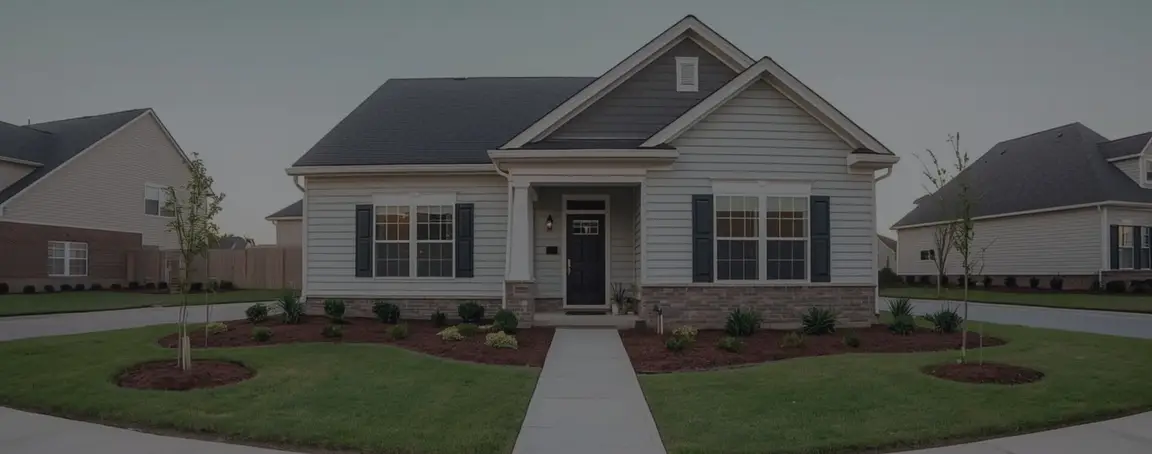

A reverse mortgage doesn’t take your name off the deed. I tell homeowners that early on almost every call, because so many of them think the bank already owns the place. You can sell whenever you want. Nobody at the servicing company gets a vote.
What changes is the payoff math and the clock. Both are manageable once somebody walks you through them.
Timing matters more than usual right now, because homes are taking longer to sell. The National Association of Realtors reported that the typical existing home sat 33 days before going under contract in September 2026, up from 31 days in August. Add the buyer’s inspection, appraisal, and lender delays, and a “quick” listing can stretch to three or four months.
What Is a Hecm Reverse Mortgage and How Does It Work?
Plenty of owners assume a reverse mortgage hands the lender the title. That belief makes people freeze when they should act, and the delay costs families real money.
A Home Equity Conversion Mortgage, or HECM, is the FHA-insured reverse mortgage that HUD oversees for borrowers 62 and older. You keep the deed. The lender records a lien, the same way a bank would, and that lien gets paid off when the property sells or the loan comes due.
Money flows the other way here. Instead of you making a monthly payment, the loan pays you through a lump sum, a line of credit, monthly draws, or a mix. Interest gets added to the balance rather than billed. So do the mortgage insurance premiums that keep the program running.
Most homeowners never price out those premiums before they sign. Finance of America’s cost breakdown puts the upfront FHA premium at 2% of the maximum claim amount, and the 2026 HECM limit on that amount is $1,249,125. An annual premium of 0.5% of the outstanding balance gets added to what you owe. Origination charges top out at $6,000 under the HUD formula.
Owning a home with a HECM comes with the usual duties. Property taxes still come due. Homeowner’s insurance has to stay in force, and the house has to stay in decent repair. Fall behind on any of those and the loan can be called due and payable. That’s how some borrowers land in foreclosure on a loan that supposedly had no payment.
The loan also has to be repaid when the last borrower dies, sells, transfers title, or stops living in the home as a principal residence. Per the CFPB, more than 12 consecutive months in a hospital, rehab center, nursing home, or assisted living facility can trigger the same result. That rule kicks in when no co-borrower still lives in the house.
Can You Sell a House with a Reverse Mortgage Still Attached?
Waiting for the lender’s blessing is the costliest habit I see in these sales, and you don’t need it.
Yes, you can sell. At closing, the reverse mortgage acts like any other lien. The title company requests a payoff figure, the proceeds retire the debt, and whatever’s left belongs to you. You won’t pay a penalty for paying a HECM off early.
Get that payoff statement in writing the week you decide to sell. The balance climbs every month as interest and insurance premiums pile on, so a March figure won’t match what the servicer wants in July. I’ve seen families budget a sale from an old payoff number and come up short at the closing table.
Out-of-state heirs usually have it hardest. Nobody wants to spend months managing repairs on a parent’s house from another state, and most families just want one closing date they can put on a calendar. In those cases we walk the house with them, then handle the estate’s payoff coordination with the lender’s servicer directly. If you’d like to know who you’d be working with first, you can learn about Turner Home Team before you call.
Heirs who inherit a reverse mortgage face a tighter clock than living borrowers. The Consumer Financial Protection Bureau explains that once heirs get the due-and-payable notice, they have 30 days to buy, sell, or turn the home over. That window may stretch to six months so they can sell or line up financing. After that, HUD may approve 90-day extensions when the estate shows real progress, which usually means a signed listing agreement or a purchase contract already in motion.
Are you working inside one of those windows right now? Call the servicer before you call anyone else.
What Happens to Your Home Equity When You Sell with a Reverse Mortgage?
When a reverse mortgage balance has grown for a decade or more, the payoff can eat most of the home’s sale price. That catches sellers off guard more often than you’d think. Even so, plenty of them still walk away with enough to cover a move or a stretch of care.
That’s the honest shape of these sales. Your equity is whatever remains after the payoff and the costs of selling, and it belongs entirely to you or your estate. The lender has no claim on the surplus.
Run the subtraction before you decide anything. Start with a realistic sale price, not a Zillow guess. NAR put September 2026’s national median existing-home price at $417,500, though your neighborhood’s number is the one that counts. Subtract the payoff. Then subtract commissions, title costs, and any repairs a buyer’s lender will demand.
Carrying costs belong in the math too. Every month the property sits, someone pays insurance, property taxes, utilities, and upkeep while the lender’s balance keeps rising. Families who skip that line tend to overestimate what the estate will clear. If the house is in Pitt County, you can sell your Greenville house fast and stop those monthly bills sooner.
What’s left is your actual stake.
A HECM is non-recourse by design. Because the FHA insures it, the insurance fund absorbs the gap if the property is worth less than the debt. Neither you nor your heirs owe the difference out of pocket, and no creditor can chase your other assets for it. The CFPB covers that protection in its rights and responsibilities guide for reverse mortgage borrowers.
One caution on value. The servicer orders its own appraisal when a loan goes due, and that number shapes several of the options open to a family. A house with deferred maintenance appraises low, which can shrink the equity you were counting on.
What’s on the Checklist for Selling a House with a Reverse Mortgage?
Grab a legal pad, sit down at the kitchen table, and work through this in order.
Your first call goes to the reverse mortgage servicer, not a real estate agent. Ask for a current payoff statement, ask whether the loan has already been declared due and payable, and ask what documents they need. Write down the name of the person you spoke with. Servicer files bounce between departments, and a paper trail keeps you from repeating yourself in month three.
Second, confirm that taxes and homeowner’s insurance are current. A lapsed policy can push a loan toward default fast, and it also kills a buyer’s financing.
Third, decide which kind of sale fits. Listing with an agent usually brings the highest gross price, along with showings, repair negotiations, and buyer financing risk. Selling direct to a cash buyer trades some of that price for certainty, speed, and a property sold as-is with no repair costs on your side. Families racing an extension deadline often value that more than a few thousand dollars in sale price.
Fourth, gather estate paperwork early. That means the death certificate if a borrower has passed, letters testamentary or small-estate papers, the original loan documents, and a recent tax bill. In my experience, probate delays wreck more reverse mortgage sales than price fights do.
Fifth, put every extension request in writing with proof attached. Verbal promises evaporate when staff turns over.
If you’d like someone to sort through the sequence with you, Turner Home Team handles these conversations regularly and won’t push you toward a sale that doesn’t serve you.
What Are the Alternative Options to Selling a House with a Reverse Mortgage?
Freddie Mac’s average 30-year fixed rate ran 6.86% in September 2026, according to the same NAR report. That rate shapes the cost of every option below that involves new financing.
Refinancing into a conventional mortgage lets an heir keep the house. The catch is qualifying: income documents, a credit review, debt-to-income limits, the whole file. Kids who planned to take over the payments find there aren’t any payments to take over, only a balance to retire.
Paying the balance from other estate assets works when there’s cash on hand. Life insurance proceeds, retirement accounts, or a sibling with savings can retire the debt and keep the property in the family.
A deed in lieu of foreclosure hands the house back to the lender and ends the obligation. It makes sense when the loan balance has passed the property’s value and nobody in the family wants the house. Non-recourse protection still applies, so the family won’t owe a deficiency.
HUD also caps what heirs must pay when the debt tops the home’s worth, which the FAQ below covers.
Renting the house out is the one option I’d steer you away from. The loan requires the property to stay the borrower’s principal residence, so turning it into a rental while a borrower is alive can make the loan come due. That’s a fast way to turn a manageable situation into a foreclosure notice.
Home Equity Line of Credit vs Reverse Mortgage: Which One Fits Your Needs?
A HELOC looks like the cheaper cousin of a reverse mortgage, with lower upfront costs, no insurance premiums, and flexible draws. Then the underwriter asks for two years of tax returns and a debt-to-income calculation. A retiree living on Social Security can watch that application stall.
That’s the fork in the road. Home equity lines of credit are underwritten on income and credit. Reverse mortgages lean mostly on age, home value, and rates, plus a financial assessment confirming you can cover taxes and insurance.
A HELOC also carries a monthly payment, and the lender can freeze or cut the line. Retirees on fixed incomes get squeezed by both at exactly the wrong moment.
So which one fits? With steady income, a short-term need, and a plan to repay within a few years, a line of credit usually costs less. With no income to document and a long stay ahead, the HECM structure does something a HELOC can’t. If you’re planning to move anyway, selling beats both, because you keep the equity instead of renting it from a lender.
Sitting still has a price too. When a listing expires after months on the market and the house goes back up, the reverse mortgage balance keeps growing the whole time. Those carrying costs quietly come out of what you’d clear. Owners with a house in New Hanover County can sell their Wilmington house fast and skip that second round on the market.
Frequently Asked Questions
One detail rarely makes these articles. Your loan servicer, not HUD and not a lender’s branch office, controls the timeline and paperwork on a reverse mortgage sale, so build that relationship early.
What Does Suze Orman Say About Reverse Mortgages?
She’s been publicly skeptical for years and has called these loans risky for many retirees. Her main warning is a fair one: a borrower who can’t keep up with taxes, insurance, and upkeep can lose the house. She’s also suggested treating a reverse mortgage as a last resort rather than a core retirement plan. I’d add that the product isn’t bad on its own. It’s just a poor fit for a lot of the people who sign up.
Can I Really Sell My Home While the Reverse Mortgage Is Still Open?
Yes, and you don’t need the lender’s permission. The loan gets paid from your closing proceeds like any other lien, with no prepayment penalty. Ask your servicer for an updated payoff figure as soon as you start.
What Happens If I Sell My House for Less Than I Owe?
Because a HECM is non-recourse and FHA-insured, mortgage insurance covers the shortfall, not you or your heirs. Loop the servicer in early, since a short payoff usually needs their written sign-off before closing.
What Is the 95% Rule on a Reverse Mortgage?
When the loan balance tops the home’s value, heirs can settle the debt for the lesser of the balance or 95 percent of the appraised value. The CFPB’s guide says that applies whether they sell the house or keep it, which is why an accurate appraisal matters so much. A HUD-approved counselor can walk a family through the math.
How Long Do I Have to Sell After the Loan Becomes Due?
Heirs usually get 30 days from the due-and-payable notice, and that can stretch to six months. After that, up to two 90-day extensions are possible with HUD approval if you can show the home is listed or under contract. None of it is automatic, so someone has to ask in writing and keep sending proof.
Who Gets the Money Left Over?
You do, if you’re the borrower selling while you’re alive. After a death, the remaining proceeds go to the estate and then to the heirs under the will or state law. The lender has no claim above the payoff amount, which surprises families who assumed the bank keeps the house.
The Short Version
A reverse mortgage doesn’t trap you. It adds a servicer, a payoff statement, and a clock to a sale you already know how to handle. Get the current balance in writing, get an honest read on your home’s value today, and put the two side by side before anyone argues about listing, repairing, or handing it back. Most of the panic I hear on these calls comes from people who’ve never seen those numbers together.
Drift is the real enemy. Interest adds up every month the property sits, and an empty house gets more expensive to sell while everyone waits for agreement. The family’s share shrinks with every delay.
If you’re holding a property with a reverse mortgage and aren’t sure what it’s worth or how much time you have, it costs nothing to find out. Send me the address and a rough payoff figure. I’ll tell you straight whether listing makes sense, whether a cash sale nets more after repairs and holding costs, or whether you should do nothing for now. No pressure either way, and no hard feelings if the answer is to stay put. When you’re ready, you can contact Turner Home Team with the address and payoff figure.