![Problems with Mold in Houses [market_city]](https://image-cdn.carrot.com/eyJidWNrZXQiOiJwcm9kdWN0aW9uLmNhcnJvdC11cGxvYWRzLm9uY2Fycm90LmNvbSIsImtleSI6InVwbG9hZHMvc2l0ZXMvNzQxMTgvMjAyNi8wNS9Qcm9ibGVtcy13aXRoLU1vbGQtaW4tSG91c2VzLnBuZyIsImVkaXRzIjp7InJlc2l6ZSI6eyJ3aWR0aCI6MTE1Mn0sInRvRm9ybWF0Ijoid2VicCIsIndlYnAiOnsicXVhbGl0eSI6NzB9fX0=)

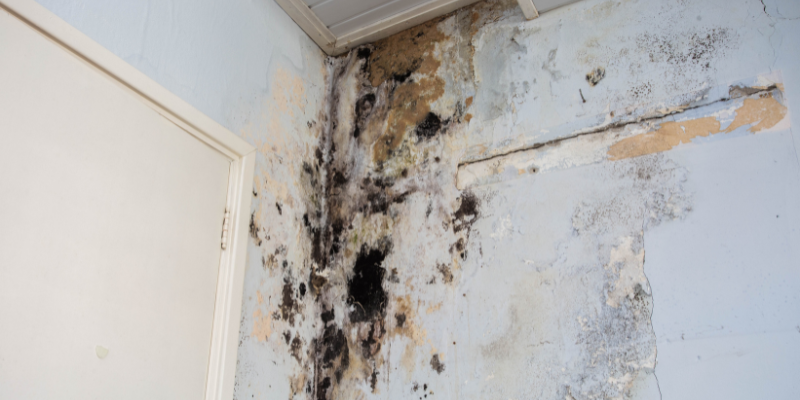
You’re sitting in your Charlotte living room when that musty smell hits you again. Maybe it’s coming from the crawlspace beneath your feet, or perhaps you’ve spotted those telltale dark patches creeping up the basement walls in your Durham home. Either way, you’re facing every North Carolina homeowner’s nightmare: mold.
I’ve been buying houses across the Tar Heel State for over a decade, from the Outer Banks to the Blue Ridge Mountains. Trust me when I say mold isn’t a deal-breaker. Yes, it’s a challenge. But it’s absolutely not the end of the world, and you’ve got more options than you might think.
Common Types of Household Mold Found in North Carolina Properties
North Carolina’s humidity is no joke. Between the coastal moisture in the east and the temperature swings in the mountains, this state just breeds mold. I’ve walked through hundreds of homes across the Tar Heel State, and water damage (whether from flooding, a slow roof leak, or hurricane aftermath) is almost always the culprit behind the worst cases I’ve seen.
The two most common types I encounter in Tar Heel homes are Aspergillus, which shows up as powdery spots on walls and ceilings, and Penicillium, that fuzzy blue-green or yellow-green growth. Cladosporium tends to appear as dark green or black spots, especially in bathrooms and around windows. And then there’s Stachybotrys, black mold, the one that makes buyers run. It has that distinct musty smell you never forget once you’ve encountered it.
In my experience buying homes from Wilmington to Asheville, crawl spaces, basements, and poorly ventilated bathrooms are where I find these most often. Coastal properties contend with salt air and persistent humidity year-round, while mountain homes tend to see moisture spikes around snowmelt and temperature swings.
Given the humidity this state runs on, mold turns up in a lot of houses here. So if you’re dealing with this, you’re far from alone.
Health Risks Associated with Residential Mold Exposure
Let me be straight with you: mold isn’t just ugly. It’s a real health issue, especially for kids, elderly family members, or anyone dealing with asthma, allergies, or a compromised immune system. Both the CDC and EPA treat mold as a legitimate health concern, not something you paint over and forget about.
Symptoms range from persistent coughing and respiratory irritation to chronic fatigue and skin rashes. I’ve had sellers tell me they didn’t realize how sick their family had been until after remediation was done. One homeowner in Greensboro told me her daughter’s asthma attacks dropped off almost completely after they cleared out a crawlspace mold problem they’d been ignoring for two years.
Research actually shows that professional mold removal is linked to fewer asthma symptoms in adults, though the studies vary in quality and the evidence for children is thinner. So addressing this isn’t just about your sale. It’s about your family’s health right now, while you’re still living there.
Seasonal Mold Growth Patterns in North Carolina Climate Conditions
Most homeowners don’t realize mold follows pretty predictable seasonal patterns here. Spring’s combination of rain and rising temperatures creates ideal conditions for growth. Summer, especially in the eastern part of the state, brings the kind of humidity that accelerates mold faster than most people expect.
Fall is tricky. Temperature swings cause condensation, particularly in homes with poor insulation. And winter isn’t the safe season people assume it is. Heated indoor air with poor ventilation traps moisture and creates hidden mold problems behind walls and under floors.
In my experience, homes in the Triangle area tend to see mold spikes in late spring and early fall. Coastal properties from Nags Head down through the rest of the Outer Banks face humidity challenges basically year-round, while places like Boone and Blowing Rock face their own moisture issues tied to snowmelt and dramatic temperature changes.
Moisture Control and Prevention Strategies for Home Sellers

Prevention will always beat remediation, for your health and your wallet. Start with ventilation: bathroom exhaust fans need to vent outside, not into the attic. Run them during showers and for at least 30 minutes after.
Crawlspace moisture control is something I cannot stress enough in North Carolina. I’ve walked into countless homes where a missing vapor barrier or inadequate ventilation turned the crawlspace into a mold factory. A dehumidifier in your basement or crawl space, keeping humidity below 50%, is one of the best investments you can make.
Don’t ignore small water intrusions. That minor roof drip or slow plumbing leak is tomorrow’s mold problem. Fix gutters, seal foundation cracks, and make sure your grading slopes water away from the house. And stay on top of your HVAC. Regular filter changes and annual inspections go a long way toward controlling moisture throughout the whole home. When the moisture already did its damage, our guide on how to sell your home with water damage in North Carolina picks up from there.
North Carolina Real Estate Laws Regarding Mold Contamination Disclosure
This is where it gets legally serious. Under the North Carolina Residential Property Disclosure Act, you must deliver a disclosure statement before the buyer signs. North Carolina then gives you a choice on that form. You can disclose what you know, and mold absolutely qualifies, or you can answer No Representation, which lifts the statutory duty to disclose. What it does not do is let you conceal a problem or answer a buyer’s direct question falsely.
The disclosure has to be completed and delivered to buyers before they sign the purchase contract. If you skip that step or try to hide a known mold problem, you’re opening yourself up to lawsuits and financial liability. I’ve seen it happen, and it never ends well for the seller.
My advice: don’t even think about concealing mold. North Carolina courts take a dim view of sellers who hide known defects. The headache of disclosure is nothing compared to what happens when a buyer finds out after closing.
Pre-sale Mold Testing and Documentation Requirements
North Carolina doesn’t legally require pre-sale mold testing, but in my experience, it’s almost always worth doing, especially if you’ve had previous water damage or you suspect something’s lurking.
Professional testing typically runs $300 to $800 and can surface hidden issues before they become leverage points in buyer negotiations. There is no federal standard for an acceptable indoor spore count, so a lab reads your indoor sample against an outdoor baseline taken the same day.
If you’ve had mold professionally remediated in the past, pull together every receipt, inspection report, and clearance certificate you can find. I’ve actually seen sellers with thorough documentation get stronger offers. Buyers feel more confident when they can see that the problem was handled properly and professionally.
Environmental Assessment Requirements for Mold-affected Homes
North Carolina doesn’t mandate environmental assessments for residential mold, but I’ve seen smart sellers use them to their advantage. A solid assessment doesn’t just identify mold. It pinpoints the underlying moisture source, which matters a lot to serious buyers.
A thorough assessment usually covers visual inspection, moisture mapping, air quality testing, and thermal imaging to detect moisture behind walls. For homes with an extensive mold history, an industrial hygienist can take it a step further with detailed air quality reporting and specific remediation recommendations.
These assessments run from $500 to $1,500. That’s real money, but the information they provide and the confidence they give buyers often more than pays for itself at the negotiating table.
Professional Mold Remediation: What It Actually Costs
Let’s talk numbers, because this is what most sellers really want to know.
For most homes, remediation runs between $1,200 and $3,750, with a national average around $2,300 to $2,400. In North Carolina specifically, here’s a rough breakdown by market:
- Winston-Salem: $1,572 to $1,893
- Raleigh: $1,704 to $2,045
- Charlotte: $1,704 to $2,048
Per-square-foot pricing typically falls between $10 and $25. Whole-house projects can push $10,000 to $30,000 depending on the extent of contamination.
One thing worth knowing: North Carolina doesn’t have a state-specific mold certification program. That means you need to vet contractors carefully. Look for IICRC certification, valid insurance, and real local references. Crawlspace remediation tends to cost more than surface mold in a bathroom simply because of access. Don’t let anyone lowball an estimate without actually looking at the space first. If the quotes come back higher than you want to spend, we walk through selling a house that needs repairs in North Carolina instead.
Timeline Expectations for Mold Remediation Before Closing
Most residential remediation takes one to five days. But here’s a more realistic picture of the full timeline when you’re selling:
- Initial inspection and testing: 1 to 2 days
- Remediation work: 1 to 5 days
- Post-remediation testing: 1 to 2 days
- Documentation and clearance: 1 to 2 days
If structural repairs are needed, like replacing drywall, insulation, or flooring, add weeks. I always tell sellers to start the remediation process at least 30 days before their planned listing date. Give yourself room. Rushing this part is how deals fall apart.
For extensive projects, plan for the home to be vacant during work. HVAC contamination in particular requires occupants to be out of the house.
Post-remediation Verification and Clearance Testing Procedures
This step gets skipped more than it should. After remediation, independent clearance testing confirms the problem was actually resolved and gives you documentation that protects you legally and gives buyers real confidence.
Clearance testing includes air sampling and visual inspection, comparing post-remediation spore levels to outdoor baseline samples. The cost runs from $300 to $600. Without it, buyers can and often will demand price concessions or additional testing of their own.
Keep every clearance certificate and test result. These go into your disclosure package and show buyers that you handled this the right way.
Buyer Rights and Seller Responsibilities in Mold-affected Property Sales
Buyers in North Carolina have real leverage when mold is involved. They can request additional inspections, ask for remediation before closing, or push for price reductions. And if your disclosure is late, buyers may have a window to rescind the contract entirely.
Your disclosure obligations don’t end with the initial form. Be prepared to share documentation, accommodate additional inspections, and negotiate on repairs or price. If mold was previously remediated, disclose that history too. Buyers are generally more comfortable knowing a problem was handled professionally than discovering a hidden issue later.
Real Estate Expert Obligations in Mold Disclosure Situations

Agents in North Carolina have their own disclosure duties. Brokers are required to disclose known environmental hazards, including toxic mold, to prospective buyers. They can’t give legal advice, but a good agent should know the disclosure requirements cold and be able to guide you through the process.
We stay current on how mold-affected properties get handled at Turner Home Team, from managing buyer expectations to structuring negotiations and making sure the paperwork is airtight. Not every agent is comfortable with these situations, so choose someone who has actually been through it before.
How Mold Affects Property Values in the North Carolina Real Estate Market
I won’t sugarcoat it: mold has a real impact on value. Studies suggest it can reduce home value by 20% to 37%, and up to half of buyers will walk away from a property with any mold history, even after successful remediation.
But here’s what those numbers miss: the other half of buyers are still in the game, especially when sellers handle things transparently and professionally. In North Carolina’s current market, where the median sale price is $373,465 and supply has held steady at five months, mold becomes one pricing factor among many, not an automatic dealbreaker.
I’ve personally seen properly remediated homes sell at full market value when the seller came to the table with complete documentation and competitive pricing. Transparency is your best asset here.
Negotiating Property Price Reductions Due to Mold Contamination
When mold enters negotiations, buyers will push for concessions. How much depends on the extent of the problem, the quality of remediation, and what the local market will bear.
For minor, professionally handled issues with solid documentation, price reductions typically land between $2,000 and $5,000. Extensive or poorly documented problems can mean much larger cuts or buyers walking entirely.
One approach I’ve seen work well: offer a remediation credit rather than a straight price reduction. It lets buyers choose their own contractors while showing you’re serious about resolving the issue. With the state median sitting at 66 days on market, nine days longer than a year ago, you have time to do this right rather than panic-negotiate. Skipping the back and forth is an option too, since we’re cash home buyers in Washington, North Carolina and nearby towns, and we price the mold in up front.
Insurance Coverage Options for Mold Damage in North Carolina Homes
Here’s what most homeowners don’t realize about mold and insurance: coverage depends on what caused the water problem, not just whether mold exists.
If mold resulted from a covered peril, a burst pipe, appliance failure, or storm damage, remediation may be included in your water damage claim. But mold from slow leaks, deferred maintenance, or neglect usually isn’t covered. Most policies also cap mold-specific coverage at $5,000 to $10,000, regardless of actual remediation costs.
Document everything from the moment you discover mold. Photos, videos, and professional assessments all help if you end up filing a claim. Call your insurer early to understand your limits. In high-risk coastal areas, a mold endorsement that raises your coverage limit may be worth the added premium.
Financing Challenges When Selling Mold-contaminated Properties
Mold complicates financing more than most sellers anticipate. FHA and VA loans often require mold assessment, remediation, and clearance before they’ll move forward, which can delay closing or kill the deal entirely. Even conventional lenders are tightening up on this.
If traditional financing is proving difficult, consider targeting cash buyers. They move faster, deal with fewer lender-imposed conditions, and are generally more experienced with distressed properties. If traditional financing stalls, a cash buyer is the usual way through. We buy houses in North Carolina with mold in them regularly and can often close in weeks rather than months.
Plan for a longer sales timeline either way. A deal that normally takes 30 days can stretch to 45 or 60 when mold remediation and required inspections are involved.
Alternative Selling Options for Properties with Extensive Mold Damage
For homes with significant mold damage, traditional listing may not be your best move.
Cash buyers and investment companies purchase mold-affected properties as-is. They understand remediation costs and factor them into their offers. You’ll likely net less than market value, but you skip the remediation expense, the extended timeline, and the uncertainty of buyer financing falling through.
An auction is another option, though you should expect substantial discounts. Properties with known mold issues tend to attract deep-discount bids through auction channels.
We know the environmental landscape here and handle mold situations regularly, including in Fayetteville and the towns around it. They know the environmental landscape here and can offer realistic options without the runaround. Wholesale sales are also worth exploring if damage is severe and you want to close fast and move on.
Frequently Asked Questions
Do NC Home Sellers Have to Disclose Mold?
North Carolina requires you to deliver a disclosure statement before the buyer signs, and on that form you either disclose what you know, mold included, or answer No Representation. Choosing No Representation lifts the statutory duty, but it never licenses concealing a known problem, and a seller who does that faces real legal and financial liability.
What Is the Carolina Protocol for Mold?
There’s no official “Carolina Protocol.” North Carolina requires mold disclosure but doesn’t mandate a specific residential remediation standard. Professional remediators typically follow EPA and IICRC guidelines: containment, removal, and clearance testing.
What should you avoid before selling a home with mold?
Don’t attempt DIY remediation on areas larger than 10 square feet. It usually makes things worse and creates liability. Never paint over mold because it doesn’t fix anything, and buyers will find it during inspection. Get professional documentation for everything.
How much can mold affect a home sale?
Significantly, if it’s mishandled. The value hit and the share of buyers who walk are covered earlier in this guide, and both land hardest on undisclosed or poorly remediated mold. Professional remediation with proper clearance documentation cuts the impact considerably. I’ve seen it many times firsthand.
Look, I won’t pretend this is easy. Selling a house with mold in North Carolina takes more work than a typical sale. But it’s absolutely doable. I’ve helped hundreds of homeowners navigate exactly this situation, from the mountains to the coast.
Whether you remediate and list traditionally or decide that selling as-is to a cash buyer makes more sense, you have real options. If you want to talk through what makes sense for your specific property, reach out to Turner Home Team. No pressure, no obligation, just honest guidance from someone who’s been through this process more times than I can count.
Mold is a problem. It doesn’t have to be your problem forever.
Helpful North Carolina Blogs Articles
- Paperwork for Selling Your Home by Owner in North Carolina
- Understanding North Carolina Inheritance Laws
- Selling Your Home Without a Realtor in North Carolina
- Selling a Home with Code Issues in North Carolina
- Selling a House in Foreclosure in North Carolina
- Home Appraisal Repairs In North Carolina Real Estate
- Selling a House With Mold Problems in North Carolina
- How to find off market deals in North Carolina
- Sell House With Foundation Problems Fast In North Carolina
- Who Pays Closing Costs When Selling a House in North Carolina
- Taxes When Selling An Inherited House In North Carolina
- Selling Your Fixer-upper House For Cash In North Carolina
- How Long Should You Live In A House Before Selling It
- How To Sell An Inherited House When Multiple Owners Are Involved
- Selling Rental Property at a Loss And Minimize Your Tax Burden