![Selling My House to a Developer in [market_city]](https://image-cdn.carrot.com/eyJidWNrZXQiOiJwcm9kdWN0aW9uLmNhcnJvdC11cGxvYWRzLm9uY2Fycm90LmNvbSIsImtleSI6InVwbG9hZHMvc2l0ZXMvNzQxMTgvMjAyNi8wNS9Ib3ctRGV2ZWxvcGVycy1FdmFsdWF0ZS1SZXNpZGVudGlhbC1Qcm9wZXJ0aWVzLWluLVNvdXRoLUNhcm9saW5hLmpwZyIsImVkaXRzIjp7InJlc2l6ZSI6eyJ3aWR0aCI6MTE1Mn0sInRvRm9ybWF0Ijoid2VicCIsIndlYnAiOnsicXVhbGl0eSI6NzB9fX0=)


Looking at a stack of offers on your kitchen table, you’re probably wondering if selling to a developer is the right move. I’ve been buying houses across the Palmetto State for years, and I can tell you that developers can be excellent buyers for the right property. But they’re not necessarily looking for the same things as regular homebuyers.
The developer market in South Carolina is booming right now. Through late 2025, home prices in the state have risen modestly year-over-year, with median prices around $379,500 to $383,100, and smart developers know where the growth is happening. They’re eyeing everything from single lots in established neighborhoods to larger parcels ripe for subdivision.
If you’ve got property that could work for development, you might be sitting on more value than you realize. Let me walk you through everything you need to know about selling to developers in South Carolina.
South Carolina Real Estate Development Market Overview
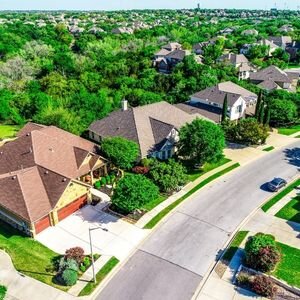
South Carolina was the fastest-growing state in the country in 2023, and that momentum carried straight into 2025. Developers are paying attention to these numbers because population growth drives housing demand. South Carolina earned the top spot as the best state in the nation for new construction. It earned the top spot because of the current and expected future volume of new construction in the state and the affordability of the new builds.
What does this ranking mean for you as a homeowner? Developers have cash to spend and are actively looking for properties that meet their investment criteria. In November 2025, South Carolina saw 5,428 homes sold, a 3.1% decrease from the previous year, but that figure can be misleading. The developer market operates differently from the traditional retail market.
Developers aren’t just buying houses. They’re buying potential. A modest ranch home on a large lot near downtown Columbia could be worth significantly more to a developer than to a typical homebuyer. They see subdivision possibilities, rental income potential, or teardown opportunities that regular buyers miss.
The state’s business-friendly environment makes it attractive for large-scale development projects. From the Lowcountry to the Upstate, developers are securing land for single-family subdivisions and mixed-use communities. This creates opportunities for homeowners who understand what developers value, as well as those researching topics like Who Pays Closing Costs When Selling a House in North Carolina, since understanding transaction costs can directly impact how much profit a seller ultimately takes from a deal.
Charleston Area Development Opportunities and Trends
Charleston remains the most valuable area for real estate development in South Carolina. In Charleston, the state’s most populous city, the median price is significantly higher at $622,000, though it is down 7.3% from November 2023. That price point creates intriguing dynamics for developers working in the area.
Charleston’s downtown is booming like never before. Downtown Charleston, the hub of the Holy City, is seeing a revival of new development as we approach 2025. With modern facilities, luxurious housing, and more commercial and cultural facilities, these projects are expected to add value to the urban lifestyle.
Berkeley County, just outside Charleston proper, has become a hotspot for master-planned communities. Cane Bay, which has made the list for several years running, came in at No. 4 with 1,147 sales, up 15 percent from 2020. The developers plan about 10,000 homes for the 4,500-acre Cane Bay tract off U.S. Highway 176. This kind of large-scale development creates ripple effects throughout the region.
If you own property in Mount Pleasant, Summerville, or even further out in Goose Creek, developers might see value you don’t. The Google expansion of its data center has created additional demand in the area. This expansion is expected to create hundreds of high-paying tech jobs, which will, in turn, spur housing demand in surrounding areas. Local real estate agents have reported a significant increase in interest for both rental and purchase properties, particularly in Goose Creek and Moncks Corner.
Developers working in the Charleston area often focus on waterfront access, historic preservation opportunities, and proximity to downtown. If your property meets any of these criteria, you may have more negotiating power than you realize.
Columbia Real Estate Development Investment Patterns
Columbia, affectionately known as Soda City, presents different opportunities for developers. As the state capital, Columbia is experiencing steady growth fueled by government, education, and healthcare sectors. Its central location and rich cultural scene make it a desirable place to live.
The University of South Carolina creates consistent demand for housing. Proximity to the University of South Carolina drives demand for student accommodations and rental properties. Developers understand this market well and are willing to pay premium prices for properties that they can convert to student housing or rental units.
As 2026 began, the Columbia market saw demand increasingly split between building classes. Tenants were looking for high-quality spaces that would help them attract and keep good employees. This trend also has an effect on building homes. Developers are looking for homes that they can fix up or build from scratch to meet current standards.
Developers are interested in places like Five Points, the Vista, and the areas around Fort Jackson. When investors plan long-term projects, they like stable jobs that are provided by the government. If you own property near these job centers, developers may see rental income possibilities that make it worth offering more than the market price.
Turner Home Team has helped numerous Columbia homeowners navigate developer offers. Their local knowledge of which neighborhoods are attracting developer attention can be invaluable when you’re trying to understand your property’s true market value.
Greenville Property Developer Market Analysis
Greenville has transformed from a sleepy textile town into one of the South’s most desirable cities. The Greenville-Anderson, South Carolina, market was selected for the 2025 list as one of the 10 hottest real estate markets in the country. The strengths of the Greenville-Anderson market include high migration inflows, affordability, and lower-than-average mortgage rates.
The downtown revitalization has created a ripple effect throughout the entire metro area. We’re staring at $2B+ in development and infrastructure that will reshape downtown, add thousands of homes, and change how you get around the city. This level of investment attracts developers who want to be part of the growth story.
The County Square project is a $1.1 billion transformation of roughly 37 acres along University Ridge, designed to serve as a seamless extension of downtown and to feature a mix of office, retail, residential, public space, and direct trail connectivity. Whole Foods, Pottery Barn, and Williams Sonoma are major anchors with a total vision of roughly 3 million square feet of Class A office/retail/hotel/residential/public space.
Developers in Greenville often focus on walkability and connectivity to downtown. The Swamp Rabbit Trail has become a major selling point for residential developments. Properties with trail access or potential trail connections command developer attention.
If you own land in Travelers Rest, Greer, or even Simpsonville, developers might see subdivision potential. The BMW plant and other major employers have created housing demand throughout the metro area. Developers recognize that workers desire reasonable commutes to these job centers.
South Carolina’s Zoning Laws’ Impact on Developer Interest
The rules about zoning have a big effect on how much developers can and will pay for your home. In South Carolina, zoning rules have a big impact on how land is used and developed across the state. These rules cover everything, from the requirements for building homes to how business and industrial land can be used. Property owners, developers, and communities need to know how these rules work in order to follow them.
South Carolina utilizes several zoning classifications that dictate the allowable land uses, including residential, commercial, and industrial zones. Each classification serves different community needs and development goals. Developers carefully study these classifications because they determine what they can build and how profitable a project might be.
Recent changes in zoning laws have created new opportunities. In 2025, several counties and cities in South Carolina are reviewing their zoning ordinances. While not state laws, these changes could affect where you can build, what types of housing are allowed, and how land is divided.
Property owners in South Carolina can request rezoning of their land. Smart developers factor rezoning potential into their offers. They might pay more for a property if they believe they can successfully petition for a zoning change that allows higher-density development.
Understanding your property’s current zoning and potential for rezoning can help you negotiate better terms with developers. If your single-family lot is zoned for multi-family use, that’s valuable information that could significantly increase developer interest.
How to Find Legitimate Property Developers in South Carolina
Not all developers are created equal. I’ve seen homeowners get burned when inexperienced or undercapitalized developers don’t close as promised. Here’s how to find legitimate developers who can actually deliver on their promises.
Start with commercial real estate companies in your area. Developers that people trust have built ties with companies like CBRE, Colliers, and regional firms. People who own or rent business property in Charleston, Columbia, Greenville-Spartanburg, and other nearby cities trust our strategic approach as a trusted advisor. They can put you in touch with coders who have a history of success and money to back them up.
Check with your local economic development office. They often know which developers are active in your area and have completed projects. Counties maintain lists of approved contractors and developers for their projects, which can be a good starting point.
Look for developers with local presence and completed projects you can visit. Origin Development Partners, LLC is a Charleston, South Carolina, real estate development and acquisition firm focused on income-producing real estate, entitlement of large land tracts, and creating value today with a forward-looking vision for the future of real estate investment strategies. Companies with local offices and ongoing projects demonstrate commitment to the area.
Research their financing and track record. Legitimate developers should be able to provide references from recent sellers and proof of funds for your transaction. Don’t be afraid to ask for bank letters or other documentation showing they can close.
Turner Home Team has relationships with several reputable developers across South Carolina. Their network can help you connect with developers who are actively looking for properties like yours and have the financial capacity to close quickly.
Benefits of Selling Property Directly to Developers

Selling to developers offers advantages you won’t get in traditional sales. Speed is often the biggest benefit. While retail sales average 80 days on market in South Carolina, developers can often close in 30 days or less if they want your property.
Cash transactions eliminate financing contingencies. You don’t have to worry about buyers getting denied for mortgages or appraisals coming in low. Developers typically have cash or pre-approved financing that makes closings more predictable.
No repairs or improvements needed. Developers buy properties as-is because they’re planning to renovate or tear them down anyway. You can skip the hassle and expense of getting your house “market-ready” for showings.
It helps if you can be flexible with when you close. Developers can often work with your schedule better than retail buyers if you need to close quickly to avoid default or want to wait until after the holidays.
Privacy and convenience matter too. You won’t have strangers traipsing through your house every weekend for showings. One meeting with the developer and their team is usually enough for them to make a decision.
The downside? Developers typically pay below market value because they need to maintain profit margins on their projects. But when you factor in repairs, carrying costs, and the certainty of closing, the net difference might be smaller than you think.
Commercial vs Residential Developer Sale Considerations
The whole transaction depends on the type of person you’re working with. Developers who work with homes and developers who work with businesses do different things and look for different things in places.
Residential developers only work on sites that can be used as homes. They want neighborhoods where families want to live, good school districts, and reasonable commutes to work areas. They are looking at what has sold recently in your area to get ideas for what they can build and sell.
Commercial developers think about traffic patterns, zoning for retail or office use, and proximity to other commercial developments. A house on a busy street might be worthless to a residential developer but perfect for someone planning a strip center or office building.
Developers who do mixed-use projects use both methods. They want to buy bigger pieces of land so they can build neighborhoods with homes, shops, and offices. Most of the time, these companies pay the most because they can make money from more than one source.
You can negotiate better if you know what kind of developer is interested in your home. If you redo your kitchen and make it look beautiful, a business developer might not care. But they will pay more for corner lots with lots of foot traffic.
Property Valuation Methods for Developer Transactions
Developers don’t value properties the same way appraisers do for retail sales. They use different methods that focus on potential rather than current conditions.
Land value analysis starts with comparable sales of similar lots in your area. Developers deduct demolition costs if they plan to tear down existing structures. They add potential value based on what they can build under current zoning or with successful rezoning.
Income approach calculations are relevant for rental property developers. They estimate potential rental income, subtract operating expenses and their required profit margin, then work backward to determine what they can pay for your property.
The replacement cost method considers what it would cost to buy land and build a new one versus buying your existing property. If new construction costs are high, developers might pay more for existing properties that they can renovate.
A highest-and-best-use analysis looks at all the ways your property could be used based on its present and future zoning. A developer might see the potential for a subdivision where you only see a single lot, or they might see the potential for a business where you only see a home.
Turner Home Team understands these valuation methods and can help you determine if a developer’s offer reflects your property’s true potential value. They’ve worked with enough developers to know when offers are fair and when you should negotiate.
Preparing Your South Carolina Home for Developer Sale
Preparing for a developer sale is different from getting ready for retail buyers. Developers care about different things, so your preparation strategy should reflect that.
Get all the papers related to the land, like surveys, plat maps, deed restrictions, and HOA information. Developers need to know exactly what they’re getting and if there are any limits on what they can do. Lack of paperwork can cause the sale to take longer to close.
Find out how our land could be developed. Check zoning maps, regulations for setbacks, and the availability of utilities. When you give developers more information up front, they can make a decision faster and be more sure of their offers.
Clean out personal belongings, but don’t worry about staging or deep cleaning. Developers aren’t buying your house for its current condition. They want to see the structure and lot clearly without being distracted by clutter.
Take care of any obvious safety problems that could stop inspections from happening. Even if they’re going to tear the house down, developers still need to be able to get to it safely. Fix any broken steps or get rid of any dangerous items that could put you at risk of being sued.
Keep track of any recent repairs or changes, especially ones that affect utilities or building parts. Developers may not care about your new countertops, but they do care about things like fixing the roof or updating the electricity that affects how much their makeover costs.
Documentation Required for South Carolina Developer Sales
South Carolina requires specific documentation for real estate transactions, and developer sales have additional requirements you need to understand.
Property deed and chain of title documents prove you own the property and can legally sell it. South Carolina remains one of the states that requires a licensed attorney to supervise all real estate closings. That includes reviewing the title, preparing documents, and overseeing the transfer of funds. Your attorney will need clear title documentation to proceed.
Survey and plat information helps developers understand property boundaries and any easements or restrictions. If you don’t have a recent survey, developers might require one before closing, which could delay the transaction.
What builders can do is based on the zoning information and any information about variances or special permits. Please get together any letters you’ve sent to local planning offices, especially if you’ve ever asked for permits or changes.
Environmental disclosures matter more for developer sales than retail sales. Developers need to be aware of any contamination, wetlands, or other environmental issues that could affect their projects.
South Carolina may have more current or accurate information. We make no warranties or guarantees about the accuracy, completeness, or adequacy of the information on this site or linked to it. Please verify official sources. Work with your attorney to ensure all required disclosures are complete and up to date.
Due Diligence Process for Developer Property Sales

Developers conduct more extensive due diligence than typical homebuyers. Understanding their process helps you prepare and avoid delays that could jeopardize your sale.
Title research goes beyond basic ownership verification. Developers examine deed restrictions, easements, and any encumbrances that might limit development. They’re looking for issues that could prevent their intended use of the property.
Zoning and permitting research involves detailed analysis of current zoning, setback requirements, density limitations, and potential for variances or rezoning. Developers often consult with local planning departments before finalizing offers.
Environmental assessments may be required, especially for commercial development or larger residential projects. Phase I environmental assessments look for potential contamination, while Phase II assessments involve actual soil and water testing.
Utility availability and capacity studies determine whether existing utilities can support planned development. Developers need to know about water, sewer, electric, and gas availability before committing to purchase.
Market analysis helps developers understand the demand for their planned project. They research comparable sales, rental rates, and absorption rates for similar developments in your area.
Financial feasibility studies combine all this information to determine whether the project will be profitable. This analysis ultimately determines what developers can afford to pay for your property.
Frequently Asked Questions
Can I Sell My Property to a Developer?
Yes, developers actively purchase properties throughout South Carolina for various development projects. They buy everything from single lots for custom homes to large parcels for subdivisions or commercial development. The key is understanding what makes your property attractive to developers and finding the right developer for your specific situation.
Do You Have to Pay Capital Gains When You Sell Your House in South Carolina?
Capital gains taxes depend on your specific situation, not where you sell. If you’ve lived in the house as your primary residence for at least two of the last five years, you may qualify for the federal capital gains exclusion of up to $250,000 for single filers or $500,000 for married couples. South Carolina doesn’t have additional state capital gains taxes beyond federal requirements.
What Is the 3-3-3 Rule in Real Estate?
The 3-3-3 rule suggests spending no more than 3 times your annual income on a home purchase, having at least 3 months of mortgage payments saved for emergencies, and planning to stay in the home for at least 3 years. This rule helps buyers avoid overextending financially and ensures they have adequate reserves for homeownership costs.
How Much Is My House Worth to a Developer?
Developer valuations differ significantly from retail market values. Developers typically pay 60-80% of the retail value because they need a profit margin for their projects. However, properties with development potential might command premiums above retail value. Factors like lot size, zoning, location, and development restrictions all affect what developers will pay.
Selling to a developer can be an excellent option if your property fits their needs and you understand the process. The key is working with experienced professionals who understand the developer market and can help you navigate its complexities.
Whether you’re dealing with financial pressure, inherited property, or simply want a quick, hassle-free sale, developers might offer solutions that traditional buyers can’t match. The cash transactions, flexible timelines, and as-is purchases appeal to many homeowners who want certainty over the maximum price.
If you want to talk through your options, Turner Home Team knows the South Carolina developer market and can help you understand what your property might be worth to different types of developers. No pressure, no obligation. Just honest advice about whether a developer sale makes sense for your situation.
If you want to sell a house in South Carolina, this guide has valuable insights to help you navigate the process smoothly. Whether in Florence, Myrtle Beach, Conway, Socastee, or any nearby area, the tips and strategies shared here are designed to make your experience easier. At Turner Home Team, we specialize in helping homeowners sell quickly and hassle-free. If you need personalized assistance or have specific questions, don’t hesitate to Contact Us at (252) 525-4780.
