![Selling Your Hoarder Home in [market_city]](https://image-cdn.carrot.com/eyJidWNrZXQiOiJwcm9kdWN0aW9uLmNhcnJvdC11cGxvYWRzLm9uY2Fycm90LmNvbSIsImtleSI6InVwbG9hZHMvc2l0ZXMvNzQxMTgvMjAyNi8wNS9zZWxsaW5nLWEtaG9hcmRlci1ob3VzZS1pbi1zb3V0aC1jYXJvbGluYS5qcGciLCJlZGl0cyI6eyJyZXNpemUiOnsid2lkdGgiOjExNTJ9LCJ0b0Zvcm1hdCI6IndlYnAiLCJ3ZWJwIjp7InF1YWxpdHkiOjcwfX19)


Selling a hoarded property doesn’t have to be a nightmare. You’ve got options that most real estate agents won’t tell you about. While traditional sales require extensive cleanup and repairs that can cost tens of thousands, cash buyers like Turner Home Team specialize in purchasing properties exactly as they are. No judgment. No demands for cleanup. Just a fair offer based on the property’s potential.
How to Sell a Hoarder House in South Carolina: Complete Property Guide
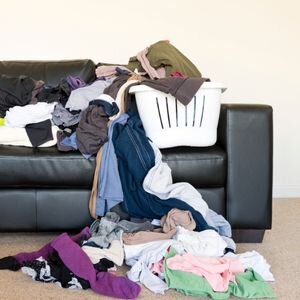
Your timeframe and finances will dictate the next steps. You can tidy up the property and list it the old-fashioned way, or you can sell it as-is to a direct buyer. Both techniques have merit, but the way of cleanup typically surprises homeowners with hidden costs and longer timetables.
Professional hoarding cleanup in South Carolina runs significantly higher than most expect. If you are wondering how much hoarding cleanup costs in South Carolina, the base price ranges from a few thousand dollars for localized situations to tens of thousands for severe cases. In short, hoarding cleanup services can cost $50-$75 per cubic yard, plus $50-$125 per labor hour, plus $.75-$2.50 per square foot for cleaning and disinfecting.
That is, before you have a transaction with structural problems, mold repair, or pest control issues that are typically hiding beneath piled objects. Turner Home Team and other companies understand these complications and integrate them into their offer, removing the guesswork and upfront fees for sellers.
Understanding Hoarder House Real Estate Challenges in Carolina Markets
South Carolina’s real estate market presents unique opportunities for hoarder house sales. The median home price in South Carolina as of November 2025 was $379,500, according to Redfin’s monthly housing market data. This is a decrease of 3.1% from November 2024. However, with 2.96 months of supply and homes averaging 70 days on market, buyers have ample time to make decisions and secure better sales.
A balanced market means there is room for both traditional sales and cash buyers. Cash buyers and investors are looking for properties with potential, even if they require a lot of work. Charleston County, Richland County, and Greenville County are seeing particularly robust investor activity, driven by job development and population expansions.
Honestly, most agents won’t tell you the truth: hoarded properties often sell faster to cash buyers than cleaned-up homes sell through traditional channels. While a property that someone has cleaned might sit on the market for 70+ days, cash buyers can close in 14-21 days.
Legal Requirements for Selling Hoarded Properties in South Carolina
South Carolina’s disclosure laws require sellers to disclose known property conditions. Before you can form a real estate contract with a potential buyer for your South Carolina home, state law requires that you give that buyer a “disclosure statement.” This document informs the buyer of any known defects in their home and property.
The South Carolina Residential Property Condition Disclosure Act requires that every seller of a residence must complete a statement disclosing any problems in the residence and provide a copy of the statement to a purchaser of the property. This includes structural damage, pest infestations, mold, or environmental hazards that may result from hoarding conditions.
The disclosure must include particular areas such as the water supply, structural components, mechanical systems, environmental contaminants, and any government notices affecting the property. For hoarded homes, this generally includes disclosure of potential insect problems, structural problems from excessive weight, or hygienic conditions.
Failure to disclose has serious penalties. South Carolina Code Section 27-50-65 provides that failure to comply with the disclosure statement shall be punishable by a fine and that any homeowner who intentionally violates the provisions of the disclosure statement or who knowingly provides inaccurate, incomplete, or misleading information to the buyer shall be accountable to the buyer for the actual damages sustained by the buyer, court expenses, and attorney fees.
Cash buyers like Turner Home Team are familiar with these disclosure requirements and can properly guide sellers through the process. They’re not looking to surprise you with legal issues down the road.
Property Assessment and Valuation for Hoarder Houses in Carolina
To calculate the worth of a hoarded property takes specialist understanding. These assessments can be difficult for traditional appraisers because they can’t see the structure beneath, the flooring, or the mechanical systems. But professional cash purchasers have honed in on methodical methods of precisely determining the value of these properties.
The assessment process typically involves estimating cleanup costs, structural repairs, and renovation expenses. In South Carolina, these costs vary significantly by region. Charleston’s higher labor costs and disposal fees differ substantially from those of more rural areas like Aiken or Spartanburg.
Property value calculations must account for the home’s location, lot size, neighborhood comparables, and renovation potential. A 1,200-square-foot ranch in Columbia’s Forest Acres neighborhood will have different value potential than a similar home in a rural Lexington County location.
The experience of the Turner Home Team with hundreds of hoarded properties across South Carolina gives them the insight to provide accurate valuations. They factor in regional market conditions, cleanup requirements, and renovation costs to provide fair offers that reflect the true potential of the property.
Property Inspection Issues Selling Hoarded Real Estate
Standard house inspections get complicated with hoarded properties. Electrical panels, plumbing systems, and HVAC equipment are hidden under the clutter, out of reach of inspectors. This generates uncertainty for both the buyer and the seller in conventional transactions.
Cash buyers approach inspections differently. They’re prepared for the unknowns and factor potential issues into their offers. Rather than demanding extensive pre-sale inspections, they conduct their own assessments after purchase.
Common inspection issues include inaccessible crawl spaces, obstructed electrical panels, and hidden plumbing problems. Pest infestations are often discovered after the cleanup begins. Overloading with weight may cause structural damage that is not visible until things are removed.
Professional buyers understand these limitations and price accordingly. They’re not trying to nickel-and-dime sellers over every potential issue because they’ve built contingencies into their business model.
Structural Damage Assessment in South Carolina Hoarder Houses
Hoarding situations can create significant structural stress on homes. Excessive weight from accumulated items can damage floors, compromise support beams, and stress foundation elements. South Carolina’s clay soils and humidity add additional challenges to structural integrity.
Floor joists in older Carolina homes weren’t designed to withstand the weight loads created by severe hoarding. I’ve seen situations where accumulated newspapers and magazines created loads exceeding 150 pounds per square foot in second-story rooms. Building codes typically assume residential floor loads of 40 pounds per square foot.
Foundation issues become more complex; exterior accumulation compromises drainage around the home. If gutters are clogged or yard drainage is blocked, heavy rainfall in South Carolina can cause water intrusion.
Structural repairs in South Carolina vary widely by region and severity. Simple floor reinforcement might cost $3,000-$8,000, while major foundation work can reach $15,000-$30,000 or more. These unknowns make traditional financing difficult and cash purchases more attractive.
Health and Safety Compliance for Hoarded Home Sales
South Carolina health departments can intervene; hoarding creates public health hazards. Code enforcement actions vary by municipality, but common violations include pest infestations, sewage backups, and fire safety concerns.
Regulatory compliance is strict across the state. In July 2024, state environmental oversight shifted to the newly formed South Carolina Department of Environmental Services (SCDES). We strictly follow SCDES protocols for transporting and disposing of contaminated materials, and we list this as a separate item on your estimate.
Mold growth thrives in South Carolina’s humid climate, especially in hoarded environments with poor ventilation. Professional remediation often requires specialized equipment and certified technicians. The costs can be substantial, particularly for homes with extensive contamination.
Fire safety violations are common in hoarded properties. Blocked exits, overloaded electrical circuits, and combustible materials create serious hazards. Local fire marshals have the authority to condemn properties that pose an immediate danger.
Cash buyers factor these compliance issues into their offers. They’re prepared to handle code violations and health department requirements as part of the purchase process.
Professional Cleanup Services for Hoarded Homes Before Sale
South Carolina has numerous professional hoarding cleanup companies, but quality and pricing vary significantly. Palmetto Commercial Services specializes in hoarding cleanup and hoarder cleaning, having completed over 725 hoarding cases in the past few years. Hoarder cleaning has many levels, and we offer free, on-site estimates and advice on how to get started.
Cleanup services typically charge in multiple ways: by the cubic yard of debris, by the hour for labor, and by square footage for cleaning and sanitizing. Hoarding cleanup costs $1 to $2 per square foot or $1,000 to $4,000 total. The average cost to clean a hoarder’s house depends primarily on the home’s size and condition. Professional cleaning services may charge an hourly rate of $25 to $100 per hour instead of a flat rate.
Additional costs often include specialized disposal for hazardous materials, pest control, and sanitization. For example, the Bees Ferry Landfill in Charleston currently charges $100 per ton for municipal solid waste. Large cleanouts can easily generate 10-20 tons of debris.
The emotional toll of the cleanup can’t be ignored. Hoarding situations can take a toll on one’s mental health. Many families find the process overwhelming and abandon cleanup efforts partway through, leaving them with a partially cleared home that’s still unsellable through traditional channels.
Cost Analysis of Cleanup vs As-is Sales for Hoarder Properties
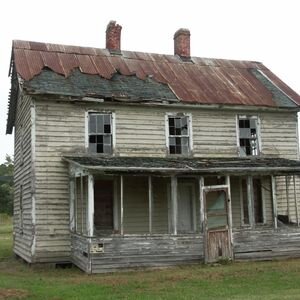
Let’s break down the real numbers. A typical 1,500-square-foot hoarded home in Columbia might cost $15,000-$25,000 in professional cleanup. Add potential structural repairs ($5,000-$15,000), mold remediation ($3,000-$8,000), and pest control ($1,000-$3,000). You’re looking at $24,000 to $51,000 in upfront costs before even listing the property.
Then consider the traditional sale process. Real estate commissions typically run at 5-6% of the sale price. On a $200,000 home, that’s $10,000-$12,000. Closing costs add another $2,000 to $4,000. If the home sits on the market for 90 days, you’re paying utilities, insurance, and possibly mortgage payments during that period.
Compare this to an as-is cash sale. No cleanup costs. No carrying costs during a lengthy marketing period. No commission fees. No repair negotiations. The cash offer might be lower than a theoretical, cleaned-up retail value, but the net proceeds are often similar or better.
I’ll be straight with you: most families are shocked when they calculate the true cost of cleanup and traditional sale. The numbers often favor direct cash sales, especially for severely hoarded properties.
Property Disclosure Requirements for Hoarded Real Estate in Carolina
South Carolina’s disclosure requirements are comprehensive and specific. The disclosure statement must include, but is not limited to, the following characteristics and conditions of the property: (1) the water supply and sanitary sewage disposal system; (2) the roof, chimneys, floors, foundation, basement, and other structural components and modifications of these structural components; (3) the plumbing, electrical, heating, cooling, and other mechanical systems; (4) present infestation of wood-destroying insects or organisms or past infestation, the damage from which has not been repaired; (5) the zoning laws, restrictive covenants, building codes, and other land-use restrictions affecting the real property; any encroachment of the real property from or to adjacent real property; and notice from a governmental agency affecting this real property; and (6) presence of lead-based paint, asbestos, radon gas, methane gas, underground storage tank, hazardous material or toxic material, buried or covered, and other environmental contamination.
For hoarded properties, sellers must disclose known pest infestations, structural damage, mold issues, and any environmental contamination. The challenge is that many of these conditions can’t be fully assessed until cleanup occurs.
The disclosure statement must give the owner the option to indicate whether the owner has actual knowledge of the specified characteristics or conditions, or whether the owner is making no representations as to any characteristic or condition. This “no representation” option can be valuable for sellers who genuinely don’t know the extent of underlying problems.
Professional cash buyers understand these disclosure complexities. They’re not looking to create legal problems for sellers who are honest about what they know and don’t know about their property’s condition.
Insurance Considerations for Hoarder House Sales in South Carolina
Homeowner’s insurance coverage for hoarded properties creates unique challenges. Many insurers exclude coverage for damage caused by neglect or lack of maintenance. Water damage from clogged gutters, pest infestations, or structural damage from excessive weight may not be covered.
Some insurance policies specifically exclude damage caused by hoarding. Others may cancel coverage if the insurer becomes aware of hoarding conditions. This leaves homeowners in vulnerable positions, especially if they’re trying to maintain coverage during a lengthy cleanup and sale process.
The cost of hoarding cleanup varies depending on the situation. Insurance usually doesn’t cover it, but we have had situations where it did. We can provide you with a free estimate over the phone before coming to the property.
Cash buyers typically purchase properties without requiring seller-maintained insurance during the transaction period. This eliminates the risk that coverage cancellation will affect the sale process.
Title insurance for hoarded properties can also present challenges. Title companies may require additional inspections or environmental assessments before issuing policies, adding time and cost to traditional transactions.
Tax Implications of Hoarder House Sales in South Carolina
South Carolina’s tax structure affects hoarded property sales in several ways. Property taxes continue accumulating during cleanup periods, adding carrying costs to traditional sales. Delinquent property taxes can complicate title transfers and must be resolved before closing.
Capital gains taxes apply to hoarded property sales just like any other real estate transaction. However, calculating the cost basis can be complex, especially when extensive cleanup and repairs are involved. Cleanup costs may qualify as selling expenses, which reduces taxable gains.
Inheritance situations add complexity. Many hoarded properties pass through probate, where estate executors must sell with both the property’s and tax implications in mind. South Carolina’s probate process can be lengthy, especially if property conditions complicate valuations.
Depreciation recapture may apply if the property was used as rental real estate. This is common in situations where aging parents have moved to assisted living and rented out their hoarder’s home.
Turner Home Team works with tax professionals familiar with these situations. They can provide guidance on structuring sales to minimize tax impacts and ensure compliance with South Carolina requirements.
Cash Buyers vs Traditional Sales for Hoarder Houses in Carolina
The contrast between cash buyers and traditional sales becomes stark with hoarded properties. Traditional buyers typically require extensive cleanup, repairs, and inspections before closing. They often demand credits or price reductions if problems are discovered during the process.
Cash buyers like Turner Home Team approach these transactions differently. They’re prepared for the challenges and have systems in place to handle them efficiently. Their offers reflect the property’s current condition and potential, not some idealized post-cleanup version.
Financing complications plague traditional sales of hoarded properties. Lenders often refuse to fund home purchases in poor condition. Hoarder homes rarely meet the specific property condition requirements of FHA and VA loans. This limits the buyer pool significantly.
Cash transactions eliminate financing contingencies, appraisal requirements, and lengthy underwriting processes. Closings can occur in 14 to 21 days, rather than 45 to 60 days for traditional sales.
Here’s what nobody mentions: cash buyers often pay more per square foot than distressed traditional sales. While the gross price might be lower, the net proceeds after cleanup, carrying costs, and commissions frequently favor cash sales.
Marketing Strategies for Selling Hoarded Properties in Carolina
Traditional marketing approaches fail with hoarded properties. Professional photography becomes impossible; rooms are inaccessible. Virtual tours can’t showcase the potential that accumulates beneath the surface. Most real estate agents simply refuse these listings.
Cash buyers use different evaluation methods. They focus on location, lot size, neighborhood trends, and structural potential rather than current condition. They understand that good bones matter more than current appearance.
Direct marketing to cash buyers eliminates the need for public exposure. Many families prefer privacy when dealing with hoarding situations. Working directly with companies like Turner Home Team keeps the transaction confidential and reduces stress for everyone involved.
Online platforms and investor networks provide additional marketing channels for hoarded properties. These buyers specifically seek distressed properties and understand their potential value.
Regional variations matter in South Carolina. Charleston’s historic properties require different approaches than Columbia’s suburban homes or rural Upstate properties. Local cash buyers understand these market nuances.
Timeline Expectations for Selling Hoarded Properties in Carolina Markets

Traditional sale timelines extend significantly for hoarded properties. Cleanup can take 2-6 weeks, depending on severity. Repairs and renovations add another 4-12 weeks. Marketing and closing add 6-10 more weeks. Total timeline: 3-7 months or longer.
Cash sales compress this dramatically. Initial contact to closing typically takes 2-3 weeks. No cleanup required. No repair negotiations. No financing delays. The timeline becomes predictable and manageable.
South Carolina’s housing market is stabilizing going into 2026, with modest price movement, rising inventory, and longer days on market indicating more balanced conditions. Mortgage rates have eased from 2023 highs, contributing to slightly improved affordability, though rates remain above pre-pandemic levels. Construction activity and permitting remain steady, supporting gradual supply growth and helping temper price acceleration across many metros.
This market stability benefits cash buyers who can move quickly to secure properties. Traditional sales face more competition and longer marketing periods in balanced markets.
Seasonal factors affect South Carolina real estate. Spring and summer typically see more buyer activity, while winter months tend to slow down. Cash buyers operate year-round, providing sellers with consistent opportunities.
Local Resources for Hoarder House Sellers in South Carolina
South Carolina offers various resources for families dealing with hoarding situations. Mental health professionals throughout the state specialize in the treatment of hoarding disorder. The International OCD Foundation maintains directories of qualified therapists in the Charleston, Columbia, and Greenville areas.
Our team routinely works with code enforcement and DSS (Department of Social Services) to help get homes in compliance with local building codes, providing hoarder cleaning and hoarding cleanup services. We also provide training to the Department of Social Services, specifically, Adult Protective Services and Child Protective Services. We work on many cases where children are living in substandard environments and cases where adults labeled as “vulnerable” are living in conditions that are detrimental to their health and/or safety.
Adult Protective Services can assist elderly residents who are struggling with hoarding. They coordinate with cleanup services and housing resources; health and safety are at risk. Each county operates its own APS program with varying resources available.
Support groups meet regularly in major South Carolina cities. Charleston, Columbia, and Greenville have established groups for both individuals with hoarding disorder and their family members. These provide emotional support and practical advice for managing difficult situations.
Financial assistance programs are available to qualifying individuals. Some counties offer limited cleanup assistance for elderly or disabled residents. Veterans may qualify for additional resources through VA programs.
Professional organizers certified in hoarding situations can provide ongoing support after initial cleanup. The Institute for Chronic Disorganization maintains certification programs and member directories.
Turner Home Team maintains relationships with these local resources and can provide referrals as appropriate. They understand that selling the property is often just one part of addressing a complex situation.
Frequently Asked Questions
How Do You Sell a Hoarding House Quickly in South Carolina?
The fastest approach is selling directly to a cash buyer who specializes in distressed properties. Companies like Turner Home Team can close in 14-21 days without requiring cleanup or repairs. Traditional sales typically take 3-6 months after extensive cleanup and renovation work.
Do You Have to Pay Capital Gains Tax if You Sell Your House in South Carolina?
South Carolina doesn’t impose a state capital gains tax, but federal taxes may apply depending on your holding period and profit amount. Primary residence sales qualify for up to $250,000 (single) or $500,000 (married) in tax-free gains if you’ve lived there for two of the past five years.
What Factors Reduce a House’s Value the Most in Hoarded Properties?
Structural damage from excessive weight, pest infestations, mold growth, and blocked access to mechanical systems has the greatest impact on value. Environmental contamination and code violations can make properties difficult to finance with traditional lenders, significantly limiting the buyer pool.
What Is South Carolina’s Abandoned Property Law Regarding Hoarded Homes?
South Carolina doesn’t have specific abandoned property laws for hoarded homes, but municipalities can use nuisance ordinances and code enforcement to address health and safety violations. Properties can be condemned if they pose an immediate danger, and owners may face fines or be forced to clean up at their own expense.
Selling a hoarded property in South Carolina doesn’t have to overwhelm you. Whether you’re dealing with a family member’s situation or your own, some options respect your timeline and financial needs. Cash buyers provide a path forward that eliminates the stress and uncertainty of traditional sales.
If you’re looking to sell a house in South Carolina, this guide is packed with valuable insights to help you navigate the process smoothly. Whether you’re in Florence, Myrtle Beach, Conway, Socastee, or any nearby area, the tips and strategies shared here are designed to make your experience easier. At Turner Home Team, we specialize in helping homeowners sell quickly and hassle-free. If you need personalized assistance or have specific questions, don’t hesitate to Contact Us at (252) 525-4780. We’re here to help every step of the way!
